

Introduction: The Energy Heartbeat of India Korba Coal Mines
When you think of the industrial backbone that powers India’s rapid economic growth, the state of Chhattisgarh invariably comes to mind. Nestled in the northern part of this mineral-rich state is Korba—a district widely hailed as the Power Capital of India and the coal capital of Chhattisgarh.
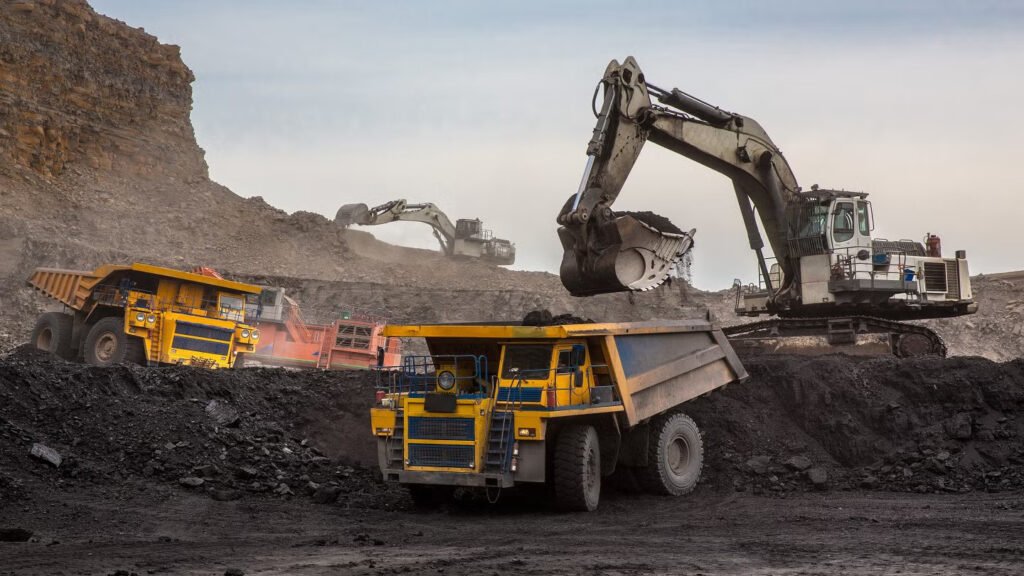
Korba is not just a geographical location on a map; it is a massive industrial ecosystem where vast open-cast coal mines, roaring thermal power plants, and bustling townships coexist. Driven primarily by South Eastern Coalfields Limited (SECL)—a major subsidiary of Coal India Limited (CIL)—Korba produces a staggering share of the nation’s coal and electricity.
In this comprehensive post, we will explore the history, geography, major coal mines, operational technologies, economic significance, and environmental challenges of the Korba coal mines.
1. Geographical and Geological Significance
Korba district spans an area of over 6,600 square kilometers, situated in the Hasdeo River basin. Geologically, the region lies within the Lower Gondwana coal-bearing formations, which are rich in sedimentary rock strata containing immense deposits of high-grade non-coking coal.

The Hasdeo River, a major tributary of the Mahanadi River, flows right through the district, supplying crucial water resources for both coal washing, industrial processing, and thermal power generation. The terrain is a mix of undulating hills, dense forests, and expansive flat plains that sit atop some of the thickest coal seams in the country.
2. The Powerhouse Behind the Operations: SECL
The history of coal mining in Korba is synonymous with South Eastern Coalfields Limited (SECL). Headquartered in Bilaspur, SECL operates numerous underground and open-cast mines across Chhattisgarh and Madhya Pradesh, with Korba being its crown jewel.

SECL’s Korba Area is one of the most productive coalfields in India. It contributes significantly to the annual coal production targets of Coal India Limited. The coal extracted here is primarily thermal grade (non-coking coal), which is ideally suited for fueling large-scale thermal power plants rather than metallurgical steel-making.
3. Major Coal Mines in Korba Coal Mines
Korba is home to several mega-scale open-cast and underground mines. Some of the most notable ones include:

A. Gevra Open Cast Mine
Significance: Gevra is not just a mine; it is an engineering marvel. It is one of the largest open-cast coal mines in Asia.
Operations: Spanning a massive area, Gevra utilizes state-of-the-art heavy earth-moving machinery (HEMM), including high-capacity draglines, massive shovels, dumpers, and surface miners.
Production: The mine produces millions of tonnes of coal annually, supplying fuel to major domestic power utilities across India via an extensive rail and conveyor network.
B. Dipka Open Cast Mine
Significance: Located adjacent to Gevra, Dipka is another mega open-cast project known for its high-volume production efficiency.
Operations: Dipka employs advanced continuous-mining techniques and high-capacity belt conveyors to transport coal efficiently from the pithead to the stockyards and loading silos.
C. Kusmunda Open Cast Mine
Significance: Kusmunda is another rapidly expanding mega-project in the Korba coalfields.
Operations: Known for possessing some of the thickest coal seams in the region, Kusmunda has undergone massive capacity expansions in recent years, deploying ultra-modern surface miners that minimize the need for traditional blasting, thereby reducing noise and vibration.
D. Korba Underground and Smaller Open-Cast Mines
While mega open-cast mines dominate the landscape, SECL also operates several underground mines in the area (such as Manikpur and Rajgamar sectors). These underground mines utilize Board and Pillar methods as well as Continuous Miners, balancing large-scale extraction with local geological conditions.
4. Technology and Modernization in Korba Coal Mines
Mining in Korba has evolved drastically over the decades. Gone are the days of purely manual labor and rudimentary tools. Today, the Korba coalfields represent a high-tech industrial hub:
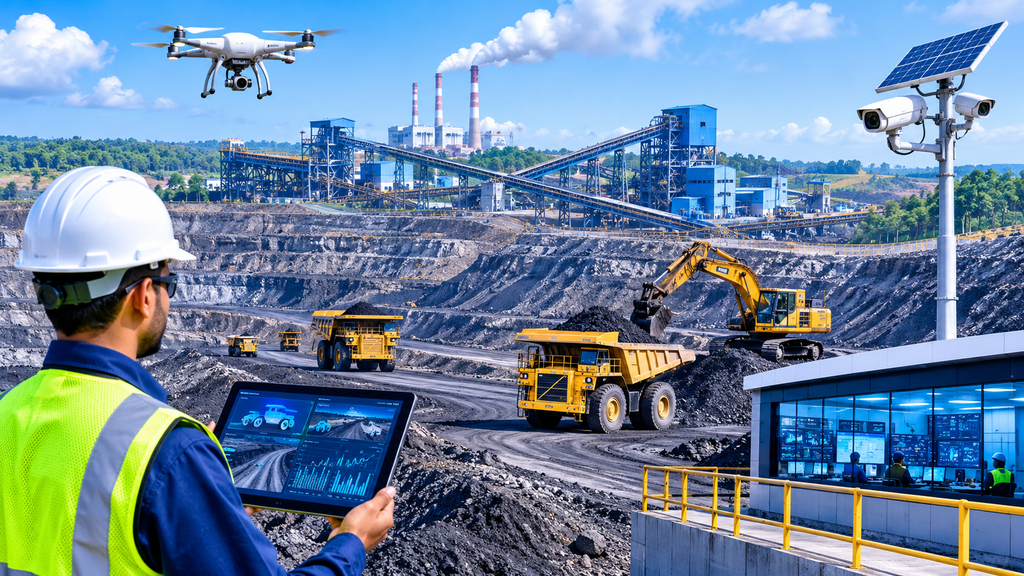
- Surface Miners: To eliminate environmental degradation caused by drilling and blasting, modern surface miners are extensively used. They cut and crush coal in a single operation, producing uniform sizing and reducing dust.
- Rapid Loading Systems (RLS): Coal transport has been streamlined through mechanized silos and rapid loading systems, allowing massive freight trains (brakes of 59 wagons or more) to be loaded within a matter of hours.
- GPS and IT Integration: Fleet management systems, GPS tracking on dumpers, and digital monitoring systems ensure optimal utilization of heavy machinery and enhanced safety protocols.
5. Economic Impact: Powering India’s Growth
The coal extracted from Korba does not just stay in Chhattisgarh; it acts as the lifeblood of India’s energy grid.
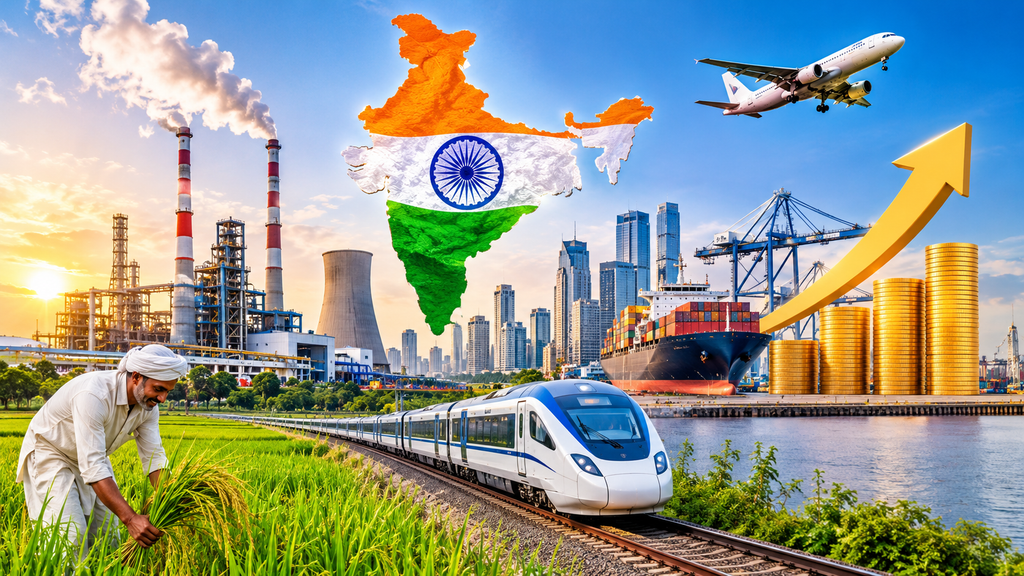
Fueling Thermal Power Plants
Korba is surrounded by some of the biggest power generation hubs in the country. Key installations include:
- NTPC Korba: One of the premier super thermal power stations in India, receiving direct coal feeds from nearby mines.
- DSPM (Dr. Shyama Prasad Mukherjee Thermal Power Station) and other state-owned plants managed by CSEB/CSPGCL.
- Private Power Plants: Numerous independent power producers (IPPs) have set up plants in and around Korba to leverage the proximity of cheap and abundant coal.
Employment and Infrastructure
The coal industry is the primary economic driver of the district. It provides direct employment to tens of thousands of workers, engineers, administrative staff, and contractual laborers. Furthermore, it supports a vast secondary economy of transport, logistics, manufacturing, and local commerce.
6. Challenges and the Path Toward Sustainability
While the coal mines of Korba are economic powerhouses, they also face significant challenges, particularly concerning environmental sustainability, land acquisition, and rehabilitation.
A. Environmental Concerns
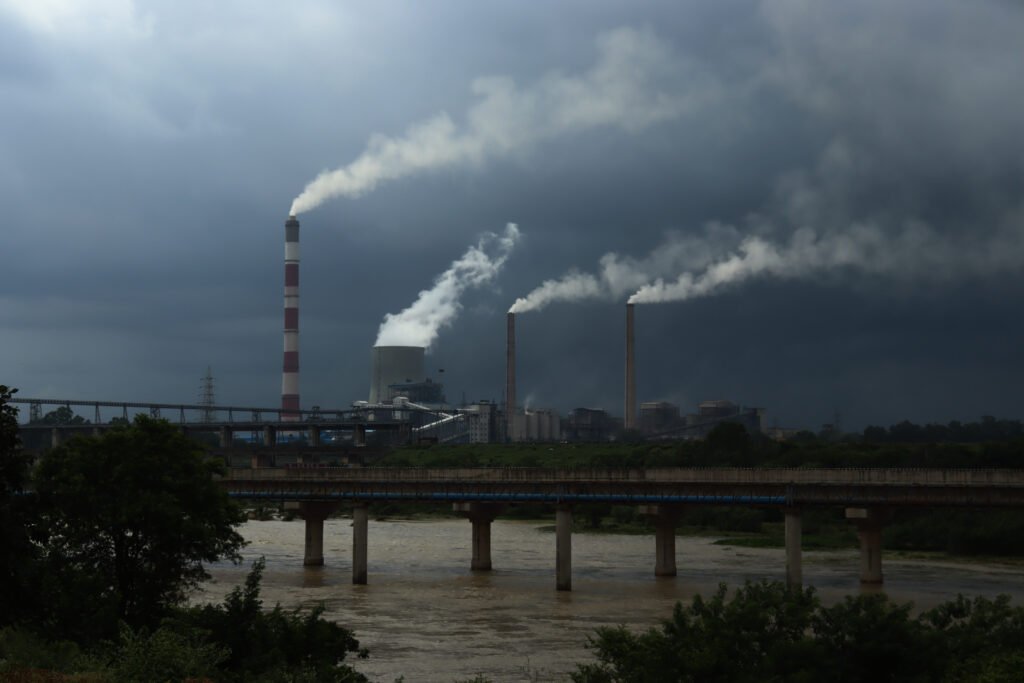
Air and Water Quality: Dust pollution from open-cast mining, vehicular movement, and coal handling plants is a persistent issue. Additionally, acid mine drainage and wastewater management require rigorous treatment facilities.
Deforestation and Land Use: Large-scale open-cast mining requires extensive land clearance, impacting local flora and fauna, particularly around the Hasdeo Arand forest fringes.
B. Mitigation and Green Initiatives
To combat these challenges, SECL and various regulatory bodies have implemented stringent green protocols:
- Massive Afforestation: Reclamation of mined-out areas through extensive tree plantation and ecological restoration.
- First-Mile Connectivity (FMC): Transitioning from road transportation of coal (which causes heavy pollution) to closed conveyor belts and rail networks.
- Water Conservation: Setting up Effluent Treatment Plants (ETPs) and utilizing recycled mine water for community irrigation and drinking purposes.
Conclusion
The coal mines of Korba district in Chhattisgarh are a testament to human engineering, industrial might, and resource management. From powering thousands of homes and industries across the nation to driving the local economy, Korba plays an irreplaceable role in India’s energy security narrative.
As the world transitions toward cleaner energy sources, Korba is also gradually adapting—balancing the immediate necessity of fossil-fuel-driven baseload power with sustainable mining practices, environmental reclamation, and technological innovation. For anyone studying India’s industrial geography, Korba remains a fascinating and vital focal point.
Would you like to explore any specific aspect of Korba mines further, such as safety standards, specific production statistics, or environmental guidelines?
[…] Liquor Policy and Market Trends: A Complete Guide The Coal Capital of Chhattisgarh: A Deep Dive into the Korba Coal Mines The Lungs of Chhattisgarh: Why the Battle to Save Hasdeo Arand Matters for All of Us The […]