

If you look at a satellite map of central India, a dense, sprawling patch of green catches the eye, nestled in the northern part of Chhattisgarh. This is the Hasdeo Arand region—often hailed as the “lungs of Chhattisgarh.” Spanning over 1,700 square kilometers, this ancient, contiguous stretch of forest is not merely a collection of trees; it is a complex, breathing ecosystem, a lifeline for millions, and a sanctuary for rich biodiversity.

Yet, today, this prehistoric forest stands at the precipice of irreversible destruction. Threatened by rampant coal mining expansion, Hasdeo Arand is the epicenter of one of India’s most fiercely contested environmental battles. In this blog post, we dive deep into why Hasdeo Arand is so vital, the threats it faces, the voices of the indigenous communities fighting for its survival, and why the fate of this forest matters far beyond the borders of Chhattisgarh.
1. The Ecological Significance of Hasdeo Arand
To understand why Hasdeo Arand is worth protecting, one must first understand its unique ecological architecture. Often referred to as a “no-go” area by wildlife experts and environmental ministries in the past, Hasdeo Arand is one of the largest unbroken tracts of dense forest in central India outside of designated national parks.
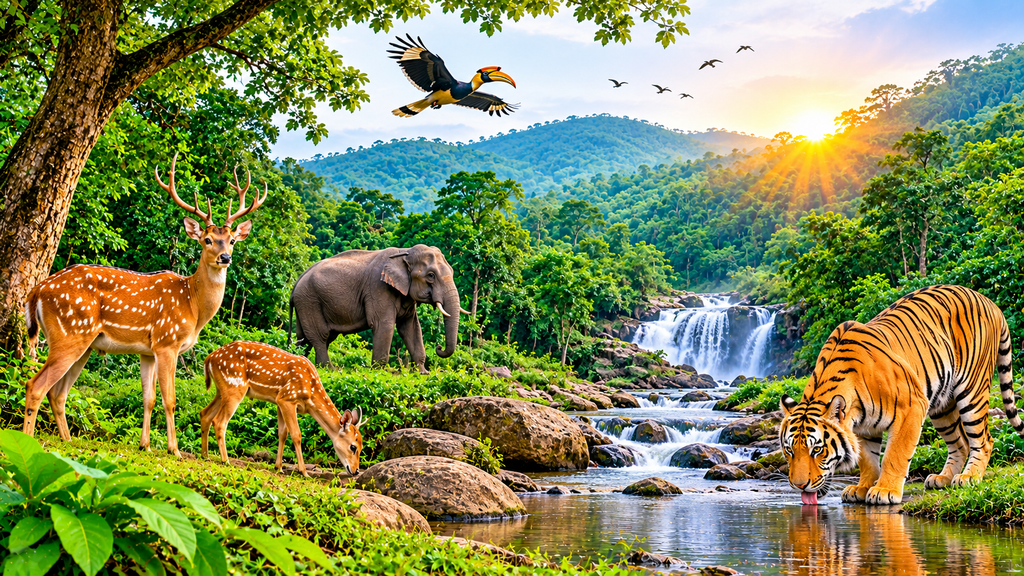
A Biodiversity Hotspot
The forest is an intricate mosaic of Sal trees, mixed deciduous woodlands, streams, and rocky outcrops. It provides a natural habitat for a staggering array of wildlife, including:
- The Majestic Apex Predators: Leopards, sloth bears, and occasionally wandering tigers utilize these corridors to migrate between sanctuaries.
- Herbivores and Avian Life: Elephants (which have made Hasdeo their permanent home in recent years due to habitat fragmentation elsewhere), barking deer, wild boars, and over 100 species of resident and migratory birds.
- Endemic Flora: Countless medicinal plants, creepers, and timber species that sustain the local ecological balance.
The Hydrological Engine: The Hasdeo River
Water is the blood of any ecosystem, and Hasdeo Arand acts as a massive sponge that captures, filters, and regulates water flow. The region is the catchment area of the Hasdeo River, a major tributary of the Mahanadi River.
- The Hasdeo Bango Dam, downstream, relies heavily on the perennial flow of clean water originating from these hills.
- Millions of farmers in Chhattisgarh depend on this water for agriculture, turning the state’s plains into the “rice bowl” of the region.
- Urban centers, thermal power plants, and industrial corridors also draw their water supply from the Hasdeo basin. Disrupting this forest catchment threatens the water security of an entire region.
2. The Cultural and Indigenous Connection
For thousands of years, Hasdeo Arand has not been an empty wilderness; it has been a home. The region is predominantly inhabited by indigenous Adivasi communities, primarily belonging to the Gond, Kanwar, and Oraon tribes.
For these communities, the forest is not a resource to be exploited, but an ancestor, a deity, and a provider.

- Sarna Sthal (Sacred Groves): Tribal traditions deeply intertwine with nature conservation. Specific groves are worshipped, ensuring that human intervention remains sustainable.
- Minor Forest Produce (MFP): Communities derive their livelihoods from the forest, gathering mahua flowers, tendu leaves, chironji, honey, and medicinal herbs.
- Cultural Identity: The songs, folklore, rituals, and social structures of the Adivasis are inextricably linked to the rhythm of the seasons in Hasdeo Arand. Displacement or destruction of the forest means the cultural extinction of these indigenous groups.
3. The Shadow of Coal: The Threat of Mining
Despite its ecological and cultural value, Hasdeo Arand sits atop vast subterranean wealth: massive coal reserves. The Parsa East Kente Basan (PEKB) and other coal blocks (such as Parsa, Kanta Basan, and others allocated to various public and private entities) have put this forest in the direct crosshairs of industrial development.

The Conflict of Energy vs. Ecology
India’s energy demand is soaring, and coal continues to be a primary source of thermal power generation. Policymakers argue that mining these reserves is essential for industrial growth and electricity generation. However, critics and environmental scientists point out several critical flaws in this argument:
- The Carbon Sink Loss: Chopping down dense, ancient forests releases massive amounts of sequestered carbon dioxide back into the atmosphere, exacerbating global climate change.
- Irreversible Fragmentation: Open-cast coal mining strips away the topsoil, destroys flora, pollutes water tables, and shatters wildlife corridors. Once a contiguous forest is fragmented, its ecological functions collapse.
- Human-Wildlife Conflict: As forests shrink, elephants and other wildlife are pushed into human settlements, leading to crop destruction, loss of livestock, and tragic casualties on both sides.
4. The Resistance: A Grassroots Movement for Survival
The battle for Hasdeo Arand is a testament to the power of grassroots democratic resistance. For over a decade, local villagers—led courageously by women and youth—have been staging protests, sit-ins, and legal battles to protect their Jal, Jungle, aur Zameen (Water, Forest, and Land).
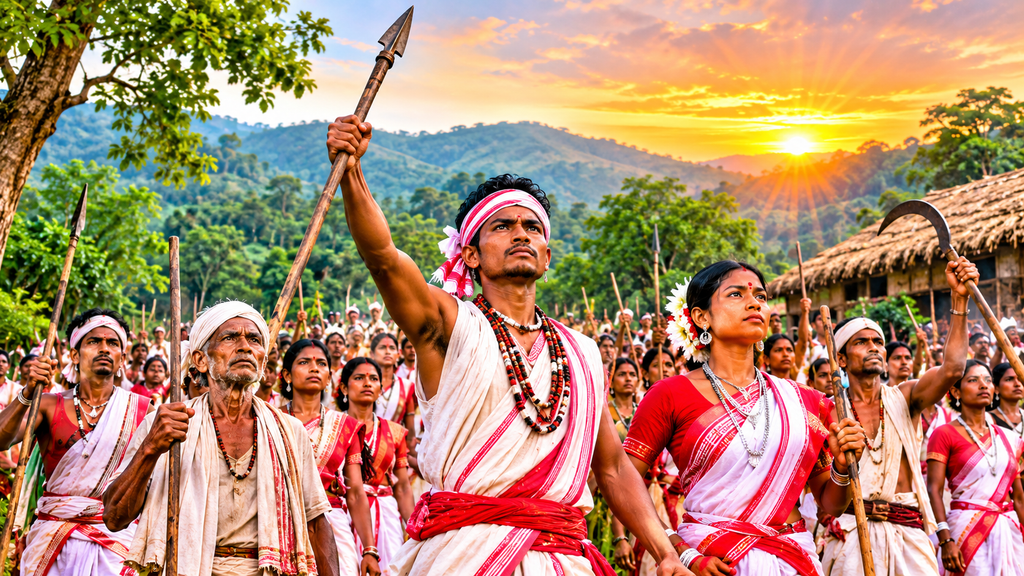
Key Pillars of the Movement:
- Gram Sabha Resolutions: Under the Panchayat (Extension to Scheduled Areas) Act (PESA) and the Forest Rights Act (FRA), the consent of local Gram Sabhas (village councils) is mandatory before diverting forest land. Villagers have repeatedly passed unanimous resolutions rejecting coal mining in their areas, citing forgery and manipulation of documents by authorities.
- The Chipko Echoes: Just like the historic Chipko movement, villagers in Hasdeo have hugged trees, camped out in protest sites, and marched hundreds of kilometers to Raipur and Delhi to make their voices heard.
- Legal and Civil Society Support: Environmental lawyers, activists, NGOs, and concerned citizens across India have rallied behind the Hasdeo Bachao Andolan, amplifying local struggles onto national and international platforms.
5. Why Hasdeo Arand Matters to Everyone
It is easy for city dwellers or people living in distant states to view Hasdeo Arand as a localized issue happening in a remote corner of Chhattisgarh. However, the fate of Hasdeo is intimately tied to the future of every citizen.
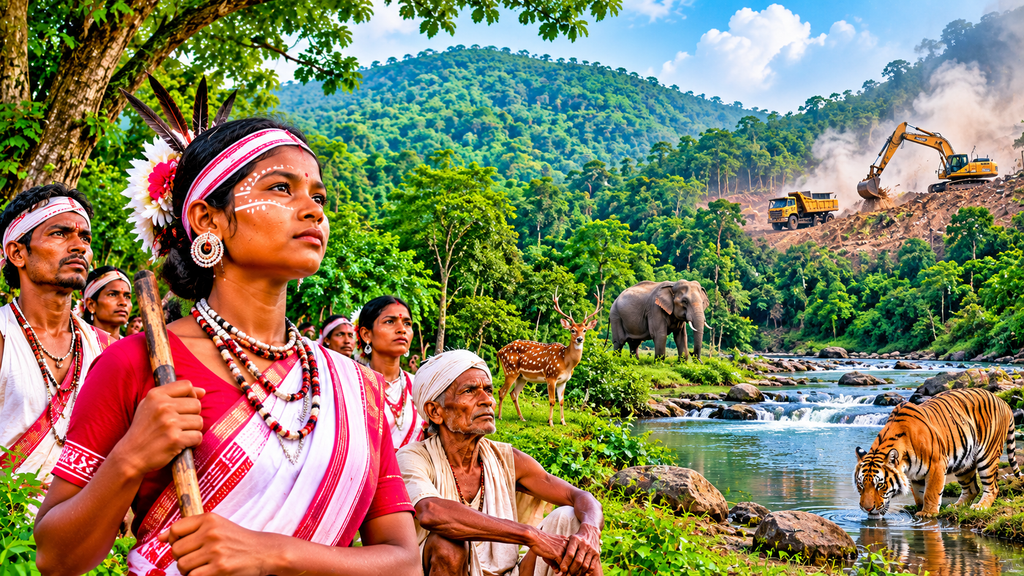
Climate Change and Extreme Weather
Central India acts as a thermal and ecological anchor for the subcontinent. Preserving forests like Hasdeo is essential for maintaining rainfall patterns, mitigating heatwaves, and acting as carbon sinks. In an era of escalating climate crisis, destroying a dense forest for short-term coal extraction is akin to cutting off your oxygen supply to buy a temporary heater.
Constitutional Rights and Democracy
The struggle in Hasdeo is also a litmus test for India’s environmental democracy and constitutional safeguards. When laws like the Forest Rights Act and PESA are sidelined or diluted to fast-track corporate projects, it sets a dangerous precedent for indigenous rights and environmental governance across the nation.
6. The Path Forward: Sustainable Alternatives
Is it possible to balance energy security with ecological preservation? Experts argue yes, through forward-thinking strategies:
- Accelerating Renewable Energy: India has made monumental strides in solar and wind energy. Directing investments toward green energy transitions can reduce reliance on new coal blocks in ecologically sensitive zones.
- Strict Enforcement of Environmental Laws: Respecting the resolutions of Gram Sabhas and conducting transparent, independent cumulative impact assessments rather than fragmented approvals.
- Ecotourism and Sustainable Livelihoods: Empowering local Adivasis as custodians of the forest through community-led ecotourism and sustainable forest produce harvesting.

Conclusion: A Choice Between Heritage and Hazard
Hasdeo Arand is more than just trees, rivers, and coal. It is a moral test of our times. Will we choose short-term commercial gains that leave behind barren craters and displaced communities, or will we protect the ancient green heritage that sustains our rivers, our wildlife, and our climate?
The struggle of the people of Hasdeo reminds us that nature cannot speak for itself; it relies on human voices to defend it. As global citizens, scholars, youth, and policymakers, it is our collective responsibility to ensure that the lungs of Chhattisgarh do not stop breathing.
Save Hasdeo Arand. Save our future.
[…] Coal Capital of Chhattisgarh: A Deep Dive into the Korba Coal Mines The Lungs of Chhattisgarh: Why the Battle to Save Hasdeo Arand Matters for All of Us The Timeless Elegance of Narayanpur Shiva Temple: A Jewel of Chhattisgarh’s Ancient […]