

1. Introduction to the Chhattisgarh Liquor Policy Sector
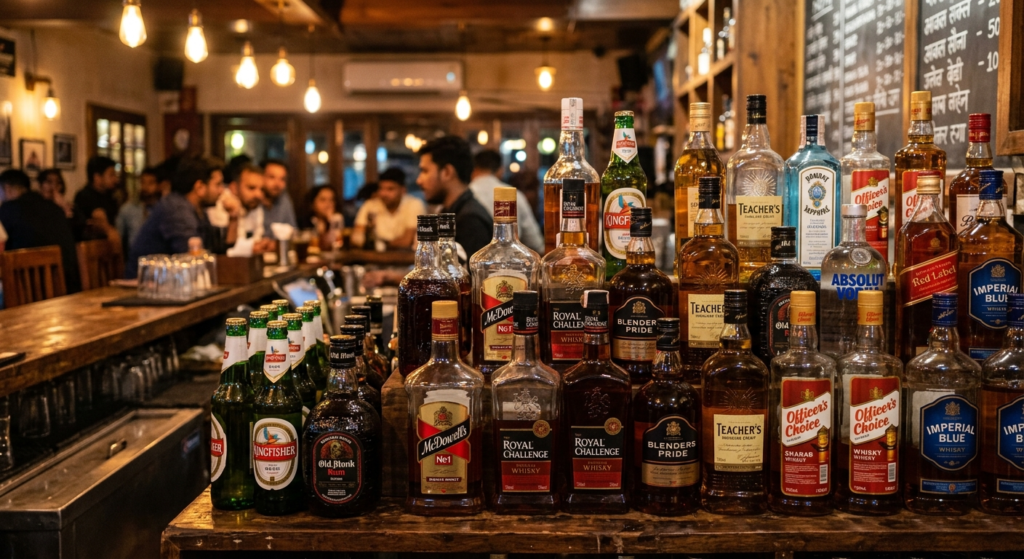
The alcohol industry in Chhattisgarh plays a vital economic and administrative role. Regulated strictly by the state government, the liquor sector has undergone several strategic shifts over the years—ranging from private vendor models to complete state government takeover aimed at curbing black marketing, checking spurious liquor, and maximizing state revenues.
Operated primarily through the Chhattisgarh State Marketing Corporation Limited (CSMCL), the retail and wholesale distribution of country liquor and Indian Made Foreign Liquor (IMFL) follows a highly structured framework. This blog post explores the history, current regulations, economic impact, and recent updates surrounding liquor policies in Chhattisgarh.
2. The Role of CSMCL (Chhattisgarh State Marketing Corporation Limited)
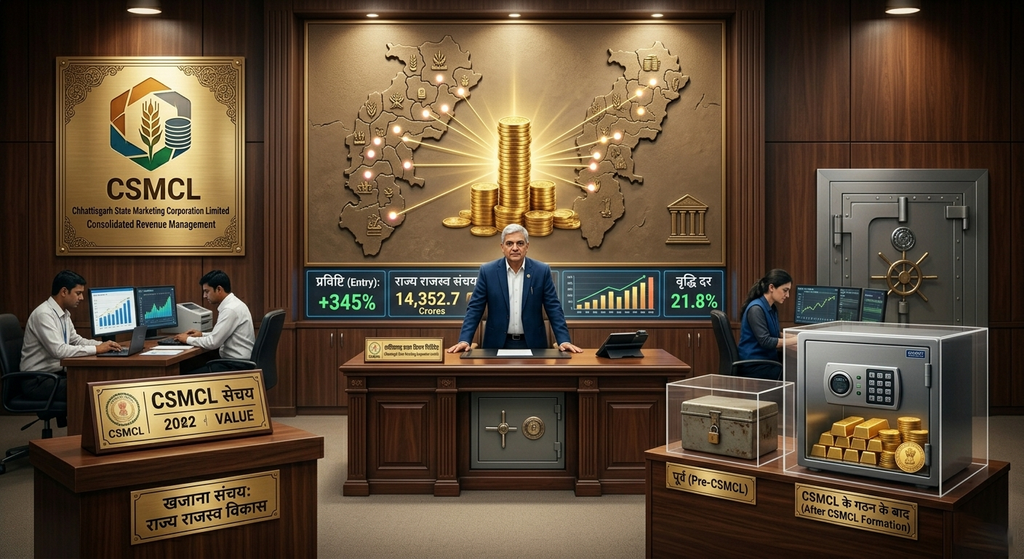
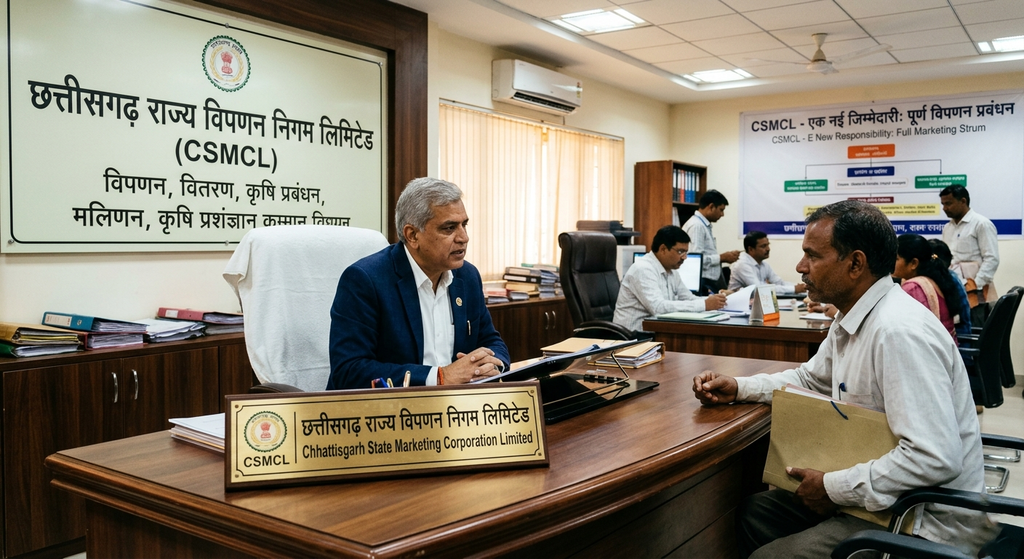
To understand how alcohol is retailed in the state, one must look closely at CSMCL. Established as a public sector undertaking, CSMCL is the sole authority responsible for the wholesale purchase and retail sale of liquor across all districts of Chhattisgarh.
Key Functions of CSMCL:
Centralized Procurement: Sourcing quality-tested liquor directly from licensed distilleries and manufacturers.
Price Standardization: Ensuring uniform pricing across government-run outlets to prevent overcharging.
Revenue Generation: Channeling excise revenue directly into state development funds, healthcare, and infrastructure projects.
Prevention of Illicit Trade: Monitoring stock movements via digital tracking systems to eliminate illegal liquor manufacturing and smuggling from neighboring states.
3. Evolution of Chhattisgarh Liquor Policy: Key Policy Shifts
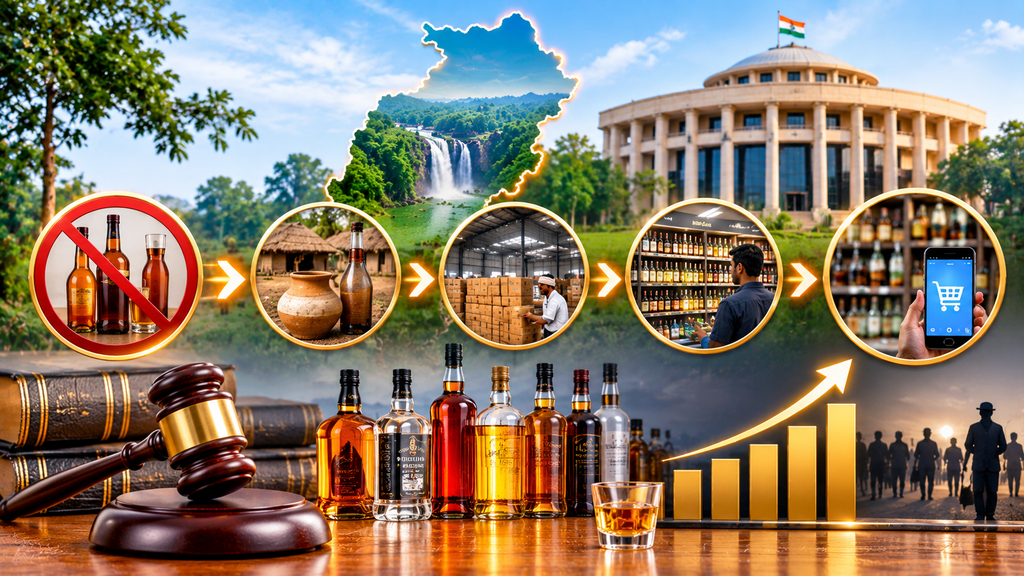
Over the past decade, the excise policy in Chhattisgarh has witnessed significant transformations.
From Private Vends to Government Monopolies
Earlier, retail shops were auctioned to private contractors. However, concerns regarding syndicate raj, tax evasion, and cartelization prompted the government to transition toward a state-managed retail model. Today, almost all major retail liquor shops in urban and rural areas are directly managed by CSMCL personnel.
Introduction of Home Delivery and Digital Initiatives
During and post-pandemic, the state experimented with digital innovations, including online booking apps and home delivery options in select zones, to reduce crowding at vends and streamline sales transparency. Bar-code scanning and holograms on bottles were also introduced to verify authenticity and stop counterfeit products.
4. Liquor Pricing, Categories, and Taxation in Chhattisgarh
Excise duty is one of the highest revenue-yielding sources for the Chhattisgarh state government.
Categories of Alcohol Sold:
Country Liquor (Deshi Madira): Traditionally brewed or mass-produced rectified spirit-based liquor popular among rural and semi-urban populations. It is strictly regulated and heavily taxed.
Indian Made Foreign Liquor (IMFL): Includes whiskey, rum, vodka, and brandy produced within India matching international standards.
Beer and Wine: Popular among urban consumers, available across licensed premium shops, hotels, and bars.
Pricing Structure
Liquor rates in Chhattisgarh are subject to annual revisions based on the state budget, import duties, manufacturing costs, and heavy excise duties levied by the administration. Consumers can check live price updates and brand availability directly through official CSMCL portals or authorized price lists displayed outside vends.
5. Regulatory Compliance and Legal Framework

The sale and consumption of alcohol in Chhattisgarh are governed by the Chhattisgarh Excise Act and rules framed under the State Excise Department.
- Legal Drinking Age: The legal age for purchasing and consuming alcohol in Chhattisgarh is 21 years.
- Dry Days: The government strictly enforces dry days on national holidays (such as Independence Day, Republic Day, Gandhi Jayanti) and during elections or religious festivals.
- Public Drinking Laws: Consuming alcohol in unauthorized public spaces, open streets, or near educational institutions and religious sites is strictly illegal and subject to heavy fines or imprisonment.
- Licensing for Bars and Restaurants: Hotels, clubs, and restaurants must acquire specialized FL-3 or FL-4 licenses to serve liquor on their premises.
6. Economic Impact and Revenue Contribution

The excise department is a powerhouse for the state’s exchequer. Thousands of crores are generated annually through liquor sales, licensing fees, and permit charges.
- Infrastructure Funding: A significant portion of excise revenue is allocated toward social welfare schemes, rural development, road construction, and healthcare infrastructure.
- Employment Generation: The supply chain—from warehousing and logistics to retail store management—provides employment to thousands of workers across the state.
7. Challenges and Future Outlook
Despite robust regulations, the liquor sector faces ongoing challenges:
- Illicit Liquor Trade: Smuggling of cheap liquor from neighboring states remains a constant battle for enforcement agencies.
- Social Responsibility: Balancing revenue generation with public health education and de-addiction programs is a persistent administrative priority.
What Lies Ahead?
The future of Chhattisgarh’s liquor market points toward deeper digitization, transparent e-governance, automated stock audits at CSMCL warehouses, and stricter crackdowns on illegal manufacturing to protect consumer health and state revenue.
8. Conclusion
The liquor regulatory framework in Chhattisgarh has evolved into a highly centralized, revenue-efficient model managed by CSMCL. While it remains a critical contributor to state finances, maintaining a balance between economic growth, public safety, and strict legal enforcement will remain the core focus of future policy updates.
FAQ Section for SEO
Q1: Who manages liquor shops in Chhattisgarh?
A: Liquor shops in Chhattisgarh are managed and operated by the Chhattisgarh State Marketing Corporation Limited (CSMCL), a state government undertaking.
Q2: What is the legal drinking age in Chhattisgarh?
A: The legal age to buy and consume alcohol in Chhattisgarh is 21 years.
Q3: Where can I check the latest liquor prices in Chhattisgarh?
A: Consumers can check official pricing lists at government-authorized CSMCL outlets or through the official state excise portal.
Would you like to tailor this post further for a specific target audience, or add more details about specific districts or licensing types?