

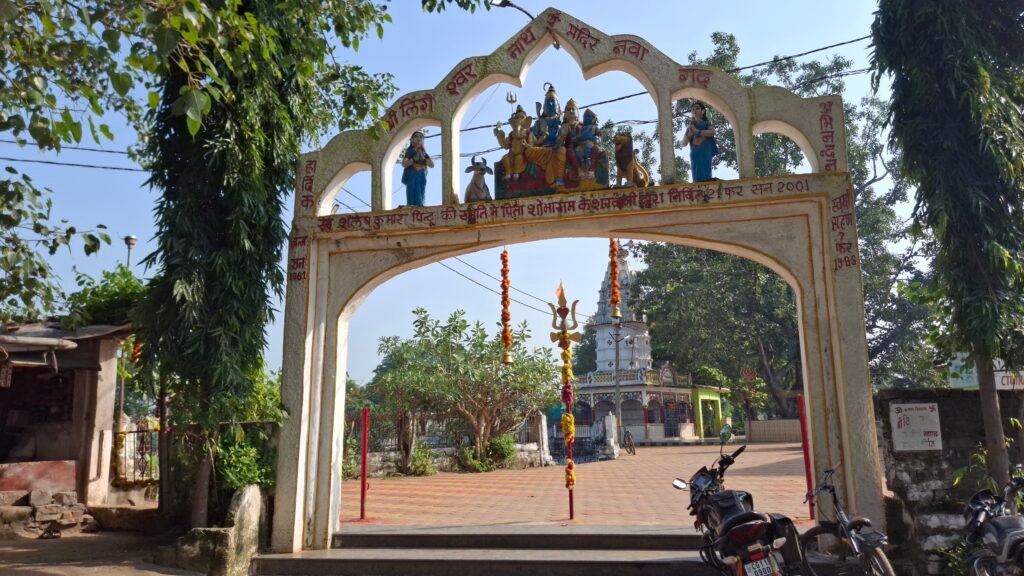
Deep within the culturally vibrant and historically rich heartland of Chhattisgarh lies a hidden gem of spiritual tranquility and architectural marvel. For centuries, the region of Janjgir-Champa has been renowned for its ancient monuments, intricate stone carvings, and deep-rooted devotion. Among these sacred sites stands the magnificent Lingeshwar Mandir Janjgir Nawagarh, a temple that not only serves as a beacon of faith for thousands of devotees but also stands as a testament to the glorious heritage of central India.
Whether you are a devout pilgrim seeking the blessings of Lord Shiva, a history enthusiast eager to decode the mysteries of ancient Indian architecture, or a traveler looking for off-the-beaten-path destinations in Chhattisgarh, Lingeshwar Mandir Janjgir Nawagarh offers an experience that resonates deeply with the soul. In this comprehensive guide, we will journey through the history, spiritual significance, architectural beauty, and practical travel tips for visiting this profound sanctuary.
The Historical Tapestry of Janjgir-Champa
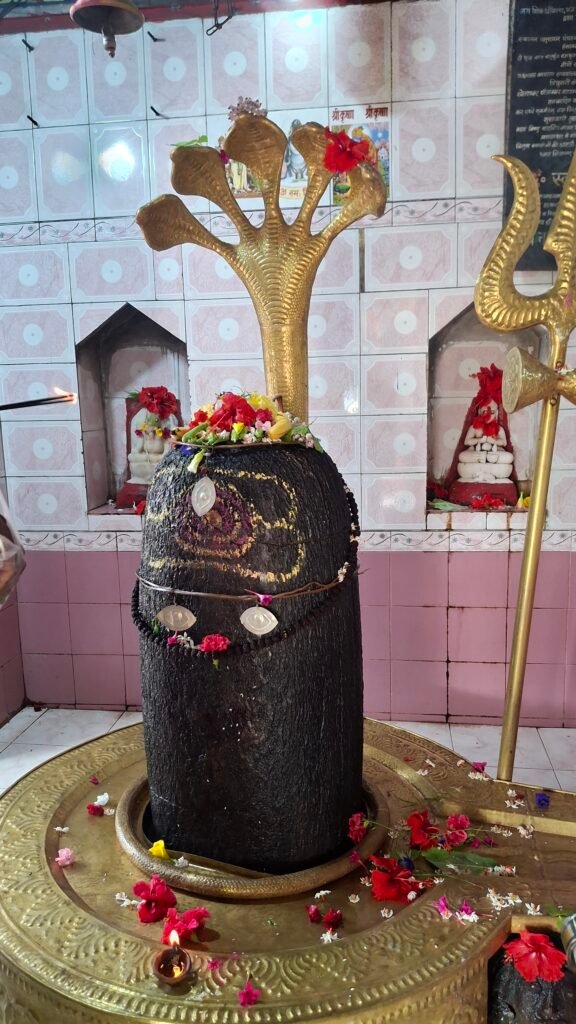
Before diving into the specifics of the temple, it is essential to understand the historical canvas on which it is painted. The Janjgir-Champa district, carved out of Bilaspur, has long been a focal point of the Kalchuri dynasty, which ruled over the Dakshin Kosala region. This era was marked by an extraordinary flourishing of art, culture, and temple architecture. The rulers were great patrons of Shaivism (the worship of Lord Shiva) and Vaishnavism, leading to the construction of numerous temples that dot the landscape today.
Lingeshwar Mandir Janjgir Nawagarh is deeply intertwined with this regional history. While local legends and folklore often blend with historical facts, the temple is widely celebrated as an ancient seat of Shiva worship. The very name “Lingeshwar” translates to the “Lord of the Linga,” denoting Lord Shiva in his iconic, infinite, and formless representation. Over the generations, the temple has been meticulously preserved and periodically renovated by the local community, ensuring that the legacy of Lingeshwar Mandir Janjgir Nawagarh remains alive and accessible to modern generations.
Architectural Brilliance: Stone Poetry
Indian temple architecture is renowned worldwide for its mathematical precision, symbolic meaning, and breathtaking aesthetics. When you first approach Lingeshwar Mandir Janjgir Nawagarh, the structure immediately commands reverence. Built using local stone that has weathered the monsoons and intense summers of Chhattisgarh for centuries, the temple exudes a rustic, timeless charm.
The Garbhagriha (Sanctum Sanctorum)
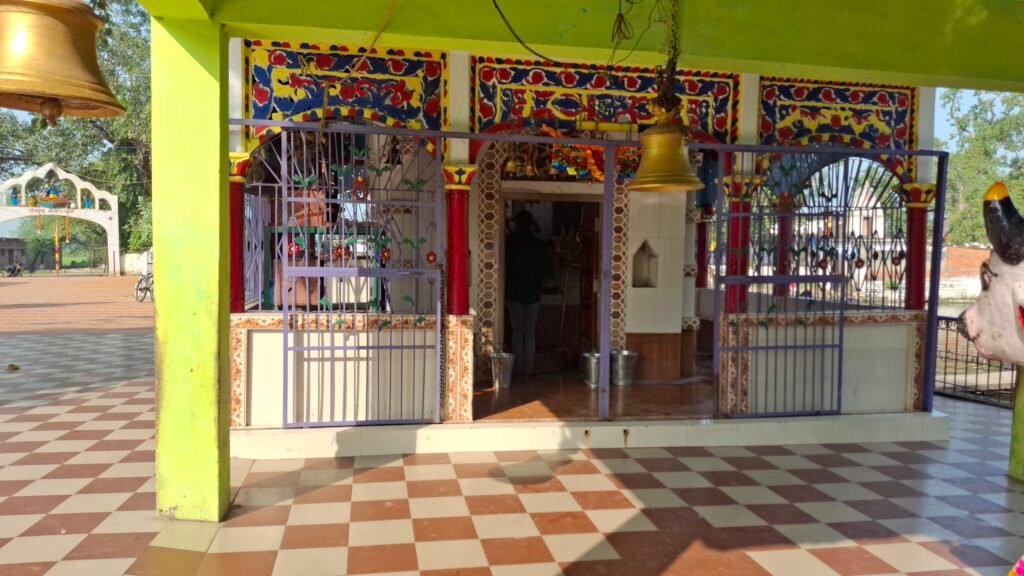
At the heart of the temple lies the Garbhagriha, the innermost sanctum where the presiding deity resides. Here, a beautifully revered Shivalinga is enshrined. The atmosphere inside the sanctum of Lingeshwar Mandir Janjgir Nawagarh is distinctly cooling and incredibly peaceful. The dim lighting, combined with the scent of sandalwood, burning camphor, and fresh marigold flowers, instantly transports visitors into a state of meditative calmness.
The Mandapa and Carvings
Leading up to the sanctum is the Mandapa, a pillared hall where devotees gather to sing bhajans (hymns), read sacred texts, and wait for the darshan (holy viewing) of the deity. The pillars and exterior walls of Lingeshwar Mandir Janjgir Nawagarh often feature intricate motifs, floral designs, and depictions of mythological figures. These carvings are not merely decorative; they serve as visual storytelling devices that impart moral and spiritual lessons from the Puranas and epics.
The Temple Courtyard
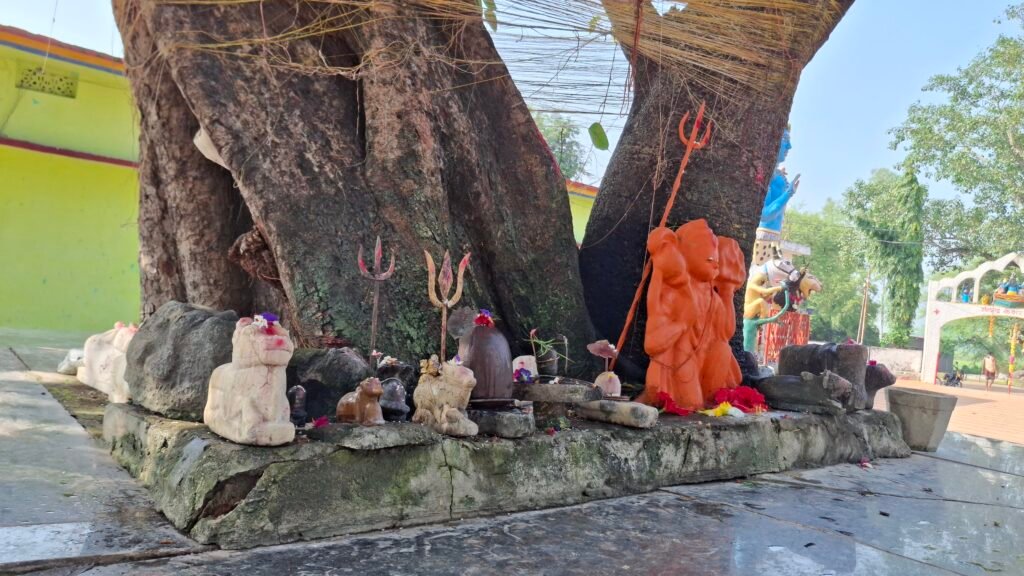
The expansive courtyard surrounding Lingeshwar Mandir Janjgir Nawagarh provides ample space for the massive crowds that gather during major Hindu festivals. It is shaded by ancient Peepal and Banyan trees, whose sprawling roots and broad leaves have witnessed the prayers of countless generations. Sitting under these trees after offering prayers is a tradition for many visitors, allowing them to absorb the divine energy of the space.
Spiritual Significance and Devotional Practices
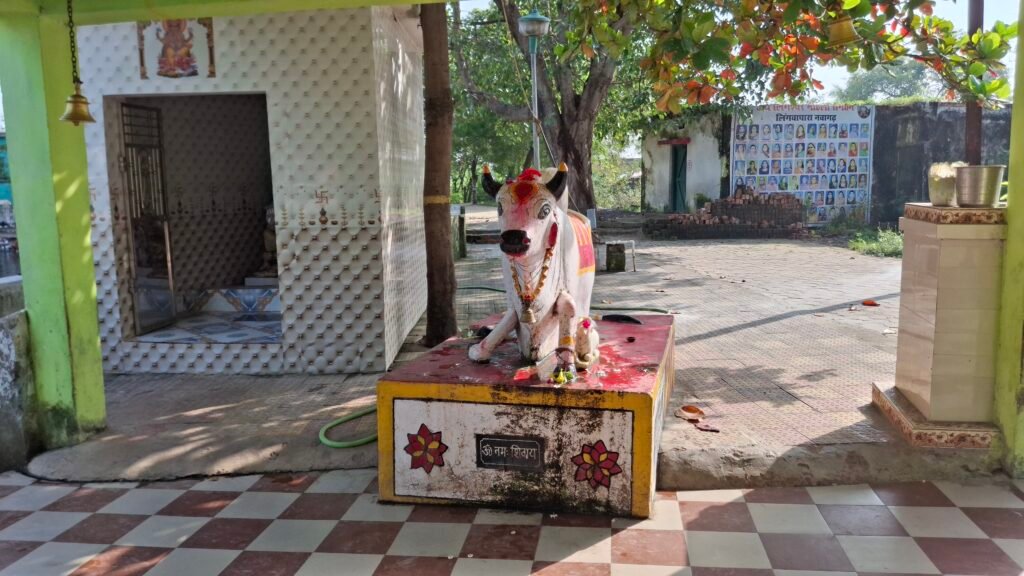
At its core, Lingeshwar Mandir Janjgir Nawagarh is a living, breathing center of faith. Lord Shiva is revered here as the ultimate destroyer of ego and ignorance, and the bestower of grace and liberation (Moksha). Devotees from across Chhattisgarh and neighboring states visit the temple with various heartfelt intentions—some seek blessings for a new marriage, others pray for the health of their children, and many simply come to express gratitude for the life they have been given.
Daily Rituals
The rhythm of life at Lingeshwar Mandir Janjgir Nawagarh is governed by ancient Vedic rituals. The day begins before dawn with the Mangala Aarti, where the Shivalinga is bathed in sacred water, milk, honey, and ghee (the traditional Panchamrit Abhishek). The rhythmic chanting of the “Om Namah Shivaya” mantra echoes through the temple walls, creating a powerful acoustic vibration that clears the mind of worldly anxieties. In the evening, the Sandhya Aarti illuminates the temple with hundreds of oil lamps, offering a visually spectacular and spiritually uplifting experience.
Major Festivals
While the temple is a sanctuary of peace on a regular weekday, it transforms into a vibrant epicenter of celebration during specific times of the year:
- Maha Shivaratri: The most important festival at Lingeshwar Mandir Janjgir Nawagarh is undoubtedly Maha Shivaratri. Marking the night of Lord Shiva’s cosmic dance (Tandava) and his marriage to Goddess Parvati, the temple stays open all night. Thousands of devotees stand in miles-long queues, carrying pots of water from the holy Mahanadi or Hasdeo rivers to pour over the Shivalinga. Fairs (melas) are set up around the temple, featuring local handicrafts, sweet stalls, and devotional music performances.
- The Holy Month of Shravan: During the monsoon months (July-August), Lingeshwar Mandir Janjgir Nawagarh sees a massive influx of Kanwariyas—pilgrims dressed in saffron, carrying holy water on their shoulders. The continuous chanting of “Bam Bam Bhole” reverberates through the town of Nawagarh, creating an atmosphere of sheer devotional ecstasy.
- Kartik Purnima: The full moon day of the Kartik month is also celebrated with great fervor, with special prayers and mass feasts (Bhandara) organized for the poor and the visiting devotees.
Exploring the Culture of Janjgir-Champa
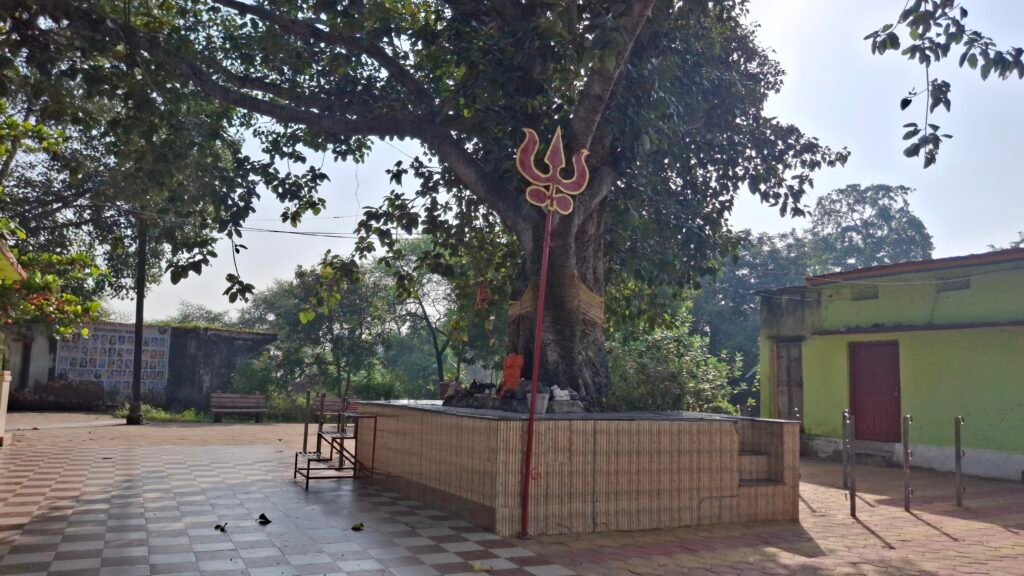
A visit to Lingeshwar Mandir Janjgir Nawagarh is incomplete without immersing yourself in the local culture of the Janjgir-Champa district. The region is known as the “Heart of Chhattisgarh” due to its central location and is famous for its Kosa silk.
After completing your spiritual duties at the temple, you can explore the local markets of Nawagarh and Champa. Kosa silk sarees, woven by traditional artisans, make for incredible souvenirs. The cuisine in this region is another highlight; be sure to try local Chhattisgarhi delicacies like Chila, Muthia, and Fara, which provide a delicious, rustic taste of the state’s agrarian lifestyle.
Furthermore, the hospitality of the local people adds immense value to the trip. The residents around Lingeshwar Mandir Janjgir Nawagarh are known for their warmth and are always willing to share stories of the temple’s miracles and the history of their ancestral town.
Surrounding Tourist Attractions
If you are planning an itinerary, dedicating an entire day to Lingeshwar Mandir Janjgir Nawagarh is highly recommended. However, you can also easily club this visit with other prominent attractions in the district:
- Vishnu Mandir (Janjgir): An unfinished but spectacularly carved 12th-century temple that showcases some of the finest Kalchuri architecture.
- Madanpurgarh: A site of historical importance known for its ancient ruins and scenic beauty.
- Hasdeo Bango Dam: Located a bit further away, this massive dam provides stunning panoramic views and is a great spot for a peaceful picnic after your temple visit.
- Kharod: Often referred to as the “Kashi of Chhattisgarh,” this nearby town is home to the ancient Lakshmaneswar Temple, another vital pilgrimage site.
By linking these destinations together, your trip to Lingeshwar Mandir Janjgir Nawagarh can easily evolve into a comprehensive cultural and historical tour of central India.
Practical Information: How to Reach
Reaching Lingeshwar Mandir Janjgir Nawagarh is relatively straightforward, thanks to the improving infrastructure of Chhattisgarh.
By Air: The nearest major airport is Swami Vivekananda Airport in Raipur, which is approximately 160-180 kilometers away. From Raipur, you can hire a private taxi or take an intercity bus to Janjgir, and then proceed locally to Nawagarh. The drive is scenic and takes you through lush green paddy fields, living up to Chhattisgarh’s reputation as the “Rice Bowl of India.”
By Train: The Indian Railway network is the most convenient way to reach the region. The Champa Junction (CPH) and Janjgir Naila (NIA) railway stations are very well-connected to major Indian cities including Delhi, Mumbai, Kolkata, and Chennai. Upon arriving at the station, you can easily find auto-rickshaws, shared jeeps, and local cabs that will take you directly to Lingeshwar Mandir Janjgir Nawagarh.
By Road: Janjgir-Champa district is well-connected by National and State Highways. The roads leading to Nawagarh are generally in good condition. If you are driving from Bilaspur or Raipur, the journey offers a pleasant road trip experience with numerous roadside dhabas serving hot, delicious meals.
The Best Time to Visit
While Lingeshwar Mandir Janjgir Nawagarh is open to devotees 365 days a year, the climate of Chhattisgarh dictates the best times for a comfortable visit.
- Winter (October to March): This is undoubtedly the best time to visit. The weather is cool and pleasant, making it perfect for temple hopping and exploring the surrounding areas without the fatigue of the summer sun.
- Monsoon (July to September): If you wish to witness the vibrant Kanwariya yatra and experience the lush, rain-washed greenery of Chhattisgarh, the monsoon season is magical. However, be prepared for heavy rains and occasional travel delays.
- Summer (April to June): Summers in Chhattisgarh can be extremely harsh, with temperatures frequently crossing 40°C (104°F). If you must visit Lingeshwar Mandir Janjgir Nawagarh during this time, it is highly advisable to plan your temple visit for the early morning or late evening to avoid the scorching midday heat.
Conclusion: A Journey of the Soul
In a fast-paced world dominated by technology and urban chaos, spaces like Lingeshwar Mandir Janjgir Nawagarh serve as crucial anchors for the human spirit. They remind us of a time when art, community, and devotion were seamlessly woven into the fabric of daily life.
The journey to this temple is not just a physical displacement from one city to another; it is an inward journey. As you walk through the ancient gates, touch the cool stone pillars, and bow before the majestic Shivalinga, you connect with a lineage of faith that has endured for centuries.
Whether you leave with answered prayers, stunning photographs of ancient architecture, or simply a quiet, peaceful mind, Lingeshwar Mandir Janjgir Nawagarh leaves an indelible mark on your heart. It beckons travelers and devotees alike to step off the modern highway, take a moment to breathe, and experience the divine stillness that has guarded the heart of Chhattisgarh for generations. Plan your visit today, and let the spiritual aura of Nawagarh transform your travel into a true pilgrimage.
[…] Stunning Reasons to Explore Udanti Sitanadi Wildlife Sanctuary (And 2 Mistakes to Avoid) Discovering the Divine: A Complete Guide to Lingeshwar Mandir Janjgir Nawagarh The Legacy of Shaheed Veer Narayan Singh: Chhattisgarh’s First Martyr of 1857 Damakheda […]