
Unveiling Sirpur: The Lost City of Gold, Temples, and Ancient Harmony
If you trace the banks of the mighty Mahanadi River in the heart of Chhattisgarh, India, you will stumble upon a quiet village named Sirpur. To the casual traveler, it looks like any other rural settlement. But beneath its soil and scattered across its pastoral landscape lies one of the most astonishing archaeological treasures of the Indian subcontinent.
Once known as Shripur—literally meaning the “City of Wealth, Auspiciousness, and Lakshmi”—Sirpur was a thriving metropolis between the 5th and 12th centuries CE. Long before modern urban planning took shape, this city served as the glorious capital of the Dakshina Kosala region under the Sharabhapuriya, Panduvamshi (Somavamshi), and Kalachuri dynasties.
Today, Sirpur is celebrated not just for a single monument, but as an expansive archaeological wonder where Hinduism, Buddhism, and Jainism coexisted in profound spiritual harmony. Join us on an immersive journey as we explore the history, architecture, and timeless aura of India’s hidden archaeological crown jewel.
1. The Historical Canvas: From Shripur to Modern Sirpur
To understand Sirpur, we have to travel back in time to an era when central India was a vibrant crucible of commerce, culture, and royal patronage. Textual and epigraphic records mention Shripur as a prominent political and cultural hub as early as the 5th century CE.
The golden age of Sirpur arrived under the Somavamshi kings, particularly under the reign of the legendary king Mahashivagupta Balarjuna, who ruled for over half a century in the 7th century CE. Under his patronage, the city transformed into an intellectual and artistic powerhouse.
The Visit of Hiuen Tsang
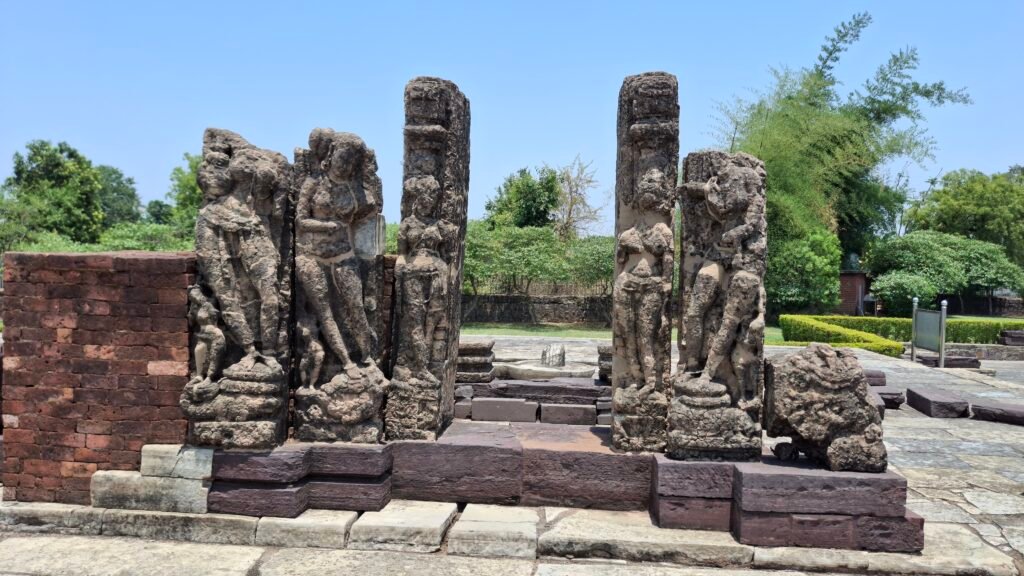
Sirpur’s historical significance isn’t just a matter of local lore; it is corroborated by global history. In the 7th century CE, the famous Chinese Buddhist pilgrim and traveler Hiuen Tsang (Xuanzang) visited India during the reign of King Balarjuna. In his travelogues, he documented that Sirpur housed over a hundred Buddhist monasteries (Viharas) accommodating nearly 10,000 monks belonging to the Mahayana sect, alongside scores of magnificent Hindu temples. He noted that the population was deeply spiritual, highly educated, and devoted to righteousness, commerce, and art.
2. Architectural Marvels: The Iconic Lakshmana Temple
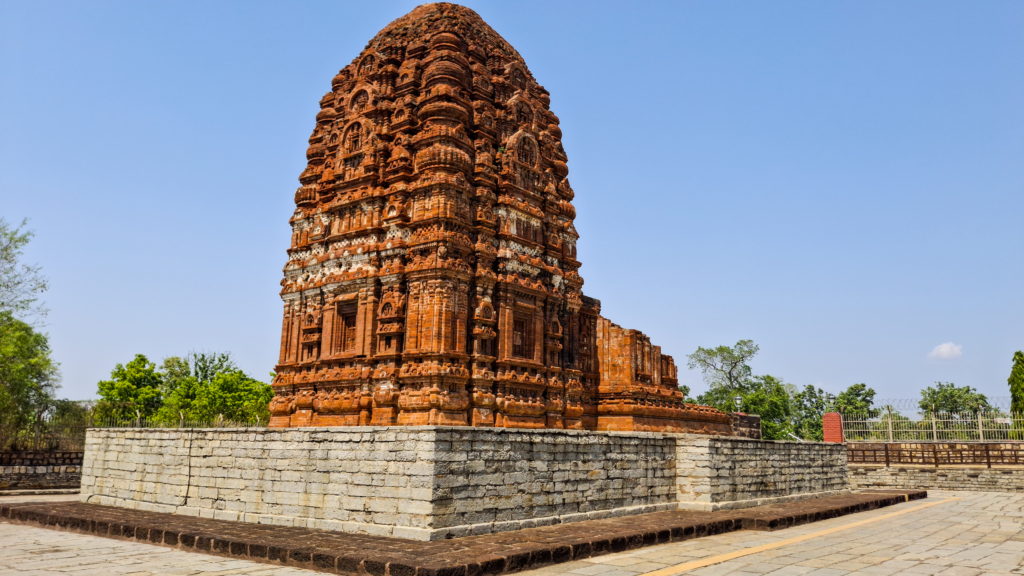
At the center of Sirpur’s archaeological landscape stands the world-renowned Lakshmana Temple. Built in the late 7th century CE (around 650–680 CE), this temple is an absolute masterclass in ancient Indian engineering and one of the earliest surviving brick temples in the country.
The Story Behind the Bricks
Commissioned by Queen Vasata, the mother of King Balarjuna, the Lakshmana Temple was built as a memorial shrine dedicated to Lord Vishnu. What makes this structure jaw-dropping is its material: fired terracotta bricks.
Long before stone-cutting became widespread in central Indian temple architecture, the master builders of Sirpur achieved staggering precision using specially molded bricks. The joints are so fine that mortar was barely required, relying instead on structural interlocking and clay bonding.
Highlights of the Lakshmana Temple:
- The Stately Jagati (Platform): The temple rests on a massive stone platform that allows for a traditional ritual circumambulation (pradakshina).
- The Sculpted Doorframe: While the main body is brick, the entranceway of the garbhagriha (sanctum sanctorum) is carved from exquisite stone. It features detailed bands depicting the ten avatars of Vishnu, celestial dancers, and charming mithuna (couple) motifs.
- Anantasayana Vishnu: On the lintel above the sanctum door, a magnificent carving portrays Lord Vishnu reclining on the cosmic serpent Sheshnag, surrounded by lesser deities and celestial musicians.
- The Shikhara: Though partially ruined over centuries, the remnants of its towering shikhara (spire) display a sophisticated pancharatha layout that heavily influenced subsequent temple designs across central India, including the famous temples of Rajim and Kharod.
3. A Mosaic of Faith: Hinduism, Buddhism, and Jainism
What truly sets Sirpur apart from other ancient sites like Khajuraho or Hampi is its unique religious syncretism. Extensive excavations conducted by the Archaeological Survey of India (ASI) have unearthed a staggering variety of religious structures within close proximity of one another:

- Over 22 Shiva Temples: Dedicated to Lord Shiva, structures like the Gandheshwar Temple and the Baleshwar Mahadev complex highlight the profound prevalence of Shaivism. The Gandheshwar Temple, situated directly on the banks of the Mahanadi, still functions as a living place of worship, adorned with rare inscriptions and sculptures salvaged from ancient ruins.
- Buddhist Viharas (Monasteries): Sites like the Swastika Vihara (named for its unique aerial layout resembling a swastika symbol) and the Teevar Dev Monastery reveal the deep-rooted presence of Buddhism. Excavations here have yielded stunning bronze and stone statues of Lord Buddha and Bodhisattvas like Padmapani.
- Jain Monuments: Sirpur was also a prominent center for Jainism. Archaeologists uncovered a massive Jain monastery featuring towering, perfectly preserved monolithic statues of Lord Mahavira and Parsvanatha, complete with intricate iconography.
This peaceful coexistence of diverse faiths demonstrates that ancient Sirpur was a cosmopolitan city built on tolerance, dialogue, and spiritual exploration.
4. Hidden Treasures: Surang Tila, Marketplaces, and Granaries
Beyond the major temples, Sirpur’s sprawling site contains architectural surprises that baffle modern historians.
Surang Tila
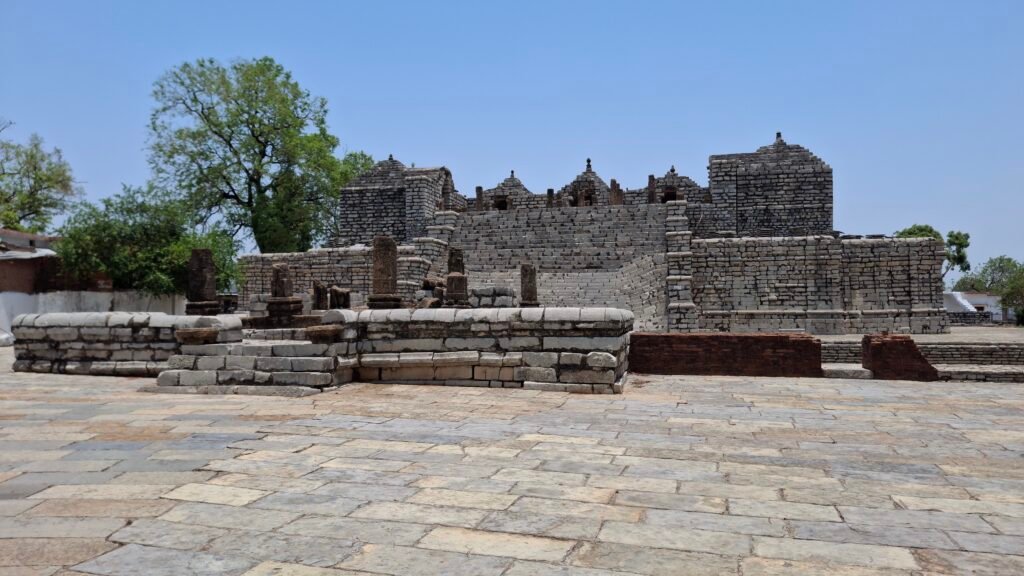
Perched on a raised mound, Surang Tila is a massive panchayat-style temple complex featuring multiple shrines dedicated to Shiva. What makes it unique is its subterranean architecture and hidden passages, which give it the name “Tunnel Mound.” The view of the surrounding forests and fields from the top of Surang Tila at sunrise or sunset is an ethereal experience.
The Ancient Market and Granary
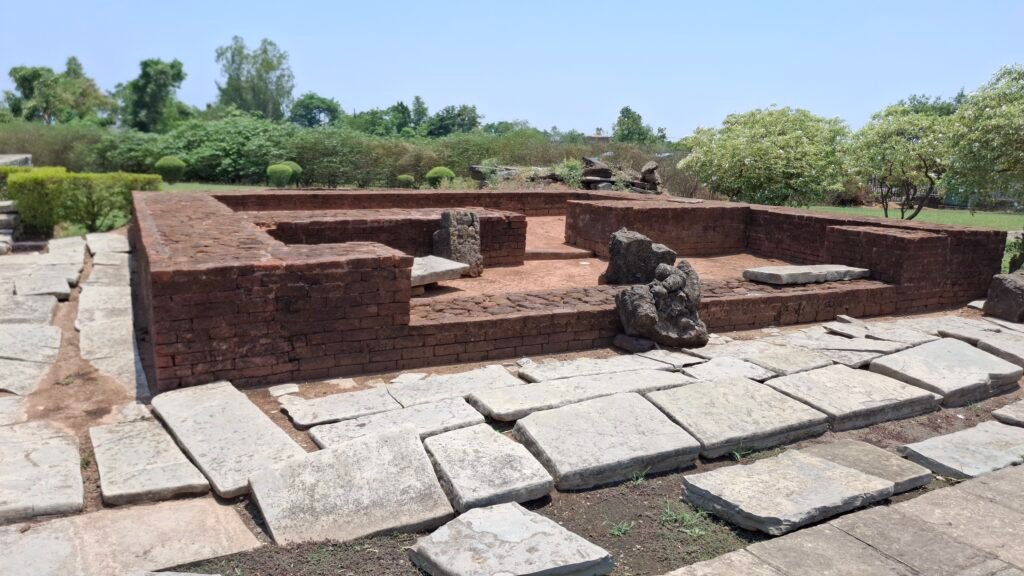
Sirpur was not just a city of gods; it was a bustling economic engine. Excavations have revealed a remarkably sophisticated ancient market street lined with brick-built shops, an underground granary system to store food reserves for the city populace, and even a sixth-century public bathhouse (snana-kund) complete with proper drainage channels. These discoveries prove that the town possessed advanced civic planning centuries ahead of its time.
5. The Archaeological Museum: Preserving the Past
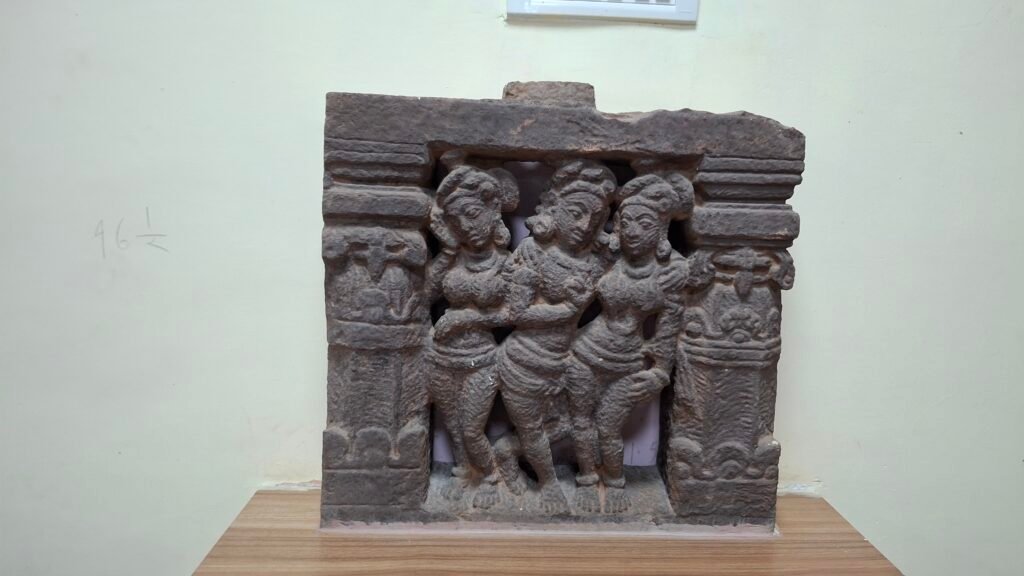
Inside the complex managed by the Archaeological Survey of India near the Lakshmana Temple, travelers will find an exceptional onsite museum. This repository houses hundreds of loose sculptures, broken pillars, decorative panels, and inscribed stone slabs salvaged during decades of excavation.
Examining the artifacts up close—ranging from the gentle, smiling face of a broken Buddha statue to the ferocious posture of a stone guardian—gives visitors a tangible connection to the artisans who chiseled these masterpieces over 1,400 years ago.
6. Practical Guide for Travelers: How to Experience Sirpur
If you are planning a trip to this historical wonderland, here is everything you need to know:
- Best Time to Visit: The winter months (October to March) offer pleasant weather, making it ideal for walking through open-air archaeological sites.
- How to Get There:
- By Air: The nearest major airport is Swami Vivekananda Airport in Raipur, located approximately 75 kilometers away.
- By Train: The closest railway junction is Mahasamund, which is well-connected to major cities like Raipur and Durg.
- By Road: Regular buses, cabs, and private taxis run from Raipur to Sirpur via Mahasamund, making for a smooth 2-hour scenic drive.
- The Annual Sirpur National Dance and Music Festival: If you can time your visit around January or February, you might witness this prestigious festival held against the illuminated backdrop of the ancient monuments, celebrating classical Indian dance and music traditions.
Conclusion: Why Sirpur Matters Today
Sirpur is much more than a collection of broken bricks and weathered stones; it is a monument to human creativity, spiritual tolerance, and architectural genius. Long swallowed by the dense forests and river silt, this ancient capital is slowly reclaiming its rightful place on the global cultural map, with ongoing efforts for UNESCO World Heritage recognition.
A walk through Sirpur is a humbling reminder of empires that rose, flourished, and faded into legend, leaving behind timeless testaments to their existence. Whether you are a history buff, an architecture enthusiast, or a curious traveler seeking offbeat destinations, Sirpur promises an unforgettable journey into India’s golden past.
Have you ever explored an off-the-beaten-path archaeological site that completely blew your mind? Let us know in the comments below!