

Nestled quietly along the picturesque banks of the sacred Mahanadi River in the Balodabazar-Bhatapara district of Chhattisgarh lies a monumental testament to India’s glorious architectural and spiritual past—the Narayanpur Shiva Temple Balodabazar (locally known as Narayanpur ka Mahadev Mandir). Often overshadowed by more mainstream tourist circuits, this pristine 10th to 11th-century architectural marvel holds profound historical, religious, and archaeological significance.
For travelers, history enthusiasts, spiritual seekers, and culture explorers, a journey to the Narayanpur Shiva Temple Balodabazar is much more than a simple sightseeing trip; it is an immersive voyage back in time to the era of ancient dynasties who carved their devotion into enduring stone.

1. Geographical Location and Natural Setting
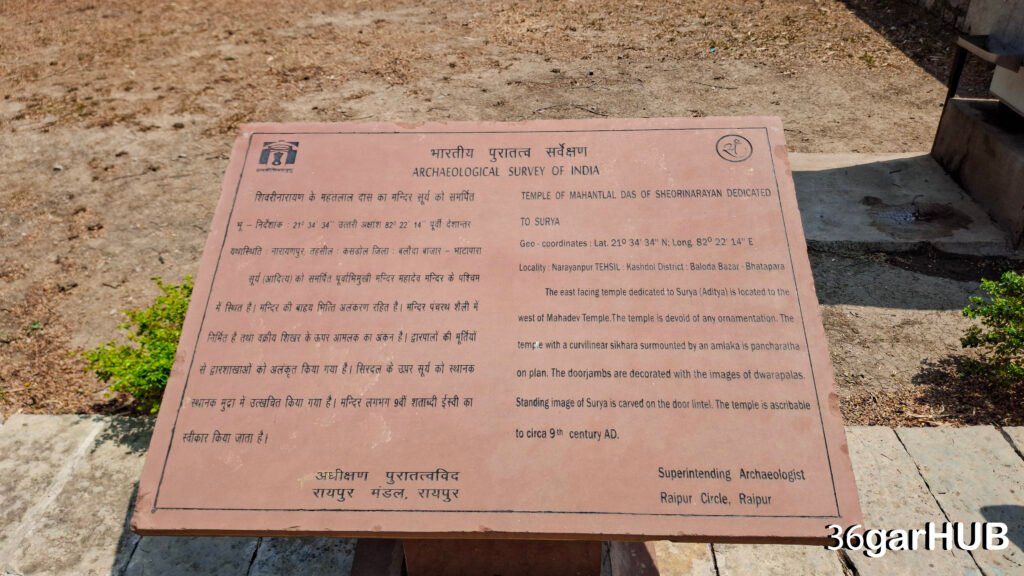
The ancient Narayanpur Shiva Temple Balodabazar is situated in the village of Narayanpur, which falls under the Kasdol block of the Balodabazar district in Chhattisgarh.
- Proximity to Key Landmarks: It lies approximately 50-55 kilometers away from major regional hubs, making it an accessible yet wonderfully serene offbeat destination. The Narayanpur Shiva Temple Balodabazar is closely linked historically and geographically with other ancient heritage centers of Dakshin Kosala, such as Sirpur and Shivrinarayan.
- The Mahanadi Connection: The setting of the Narayanpur Shiva Temple Balodabazar along the banks of the Mahanadi (historically revered as Chitrotpala) adds a layer of sublime natural beauty. The gentle murmur of the river, the vast expanse of flowing water, and the quiet pastoral surroundings create a tranquil atmosphere that feels entirely detached from the chaos of modern city life.

2. Historical Background and Chronology
Archaeological studies and architectural analysis attribute the construction of the Narayanpur Shiva Temple Balodabazar to the 10th to 11th centuries CE, placing it broadly within the epoch of the Kalachuri dynasty of Ratnapura or concurrent regional ruling powers of Dakshin Kosala.
During this golden period, temple architecture in central India reached remarkable heights. Rulers, nobles, and wealthy merchant guilds patronized the building of sophisticated shrines dedicated to major Hindu deities, primarily Lord Shiva and Lord Vishnu. Today, the Narayanpur Shiva Temple Balodabazar stands as a proud survivor of this medieval renaissance, bearing witness to centuries of political transitions, religious shifts, and environmental weathering.

3. Architectural Brilliance: Stone and Structure
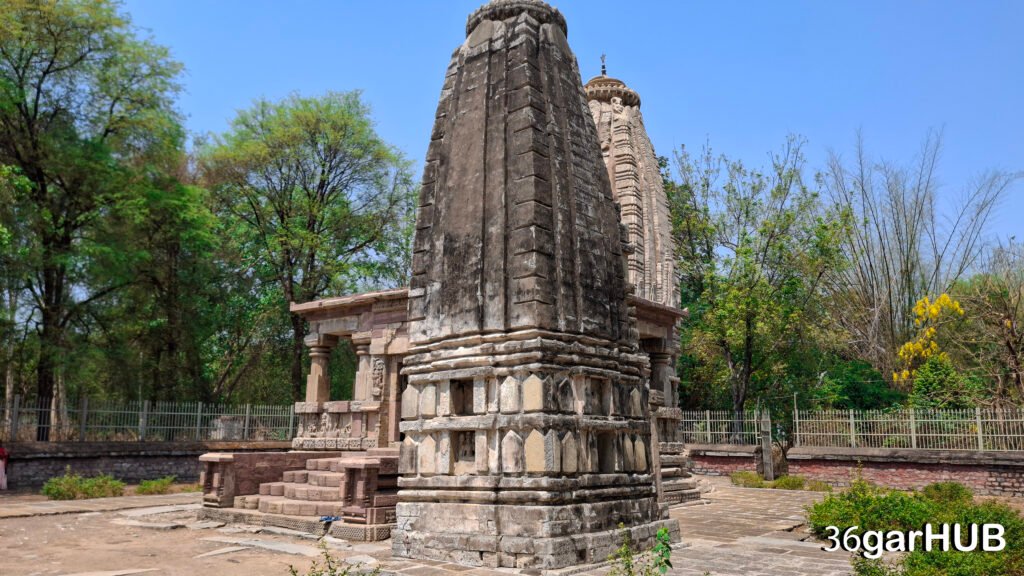
The architecture of the Narayanpur Shiva Temple Balodabazar exemplifies the classic architectural grammar of medieval central Indian temple design.
1. The Plinth (Jagati) and Orientation
The Narayanpur Shiva Temple Balodabazar is east-facing, meticulously aligned to welcome the first rays of the morning sun onto the primary deity. It rests on an elevated platform or jagati, which traditionally serves to lift the sacred space above the mundane earthly plane and protects the structure from seasonal flooding by the nearby Mahanadi River.
2. Material and Masonry
Constructed primarily from finely dressed sandstone (balua patthar), the Narayanpur Shiva Temple Balodabazar demonstrates exceptional engineering precision. The blocks were meticulously fitted together using dry masonry techniques (often with interlocking joints or iron dowels in typical ancient styles) without the use of modern mortar, allowing the structure to withstand centuries of weathering.
3. Sanctum Sanctorum (Garbhagriha) and Mandapa
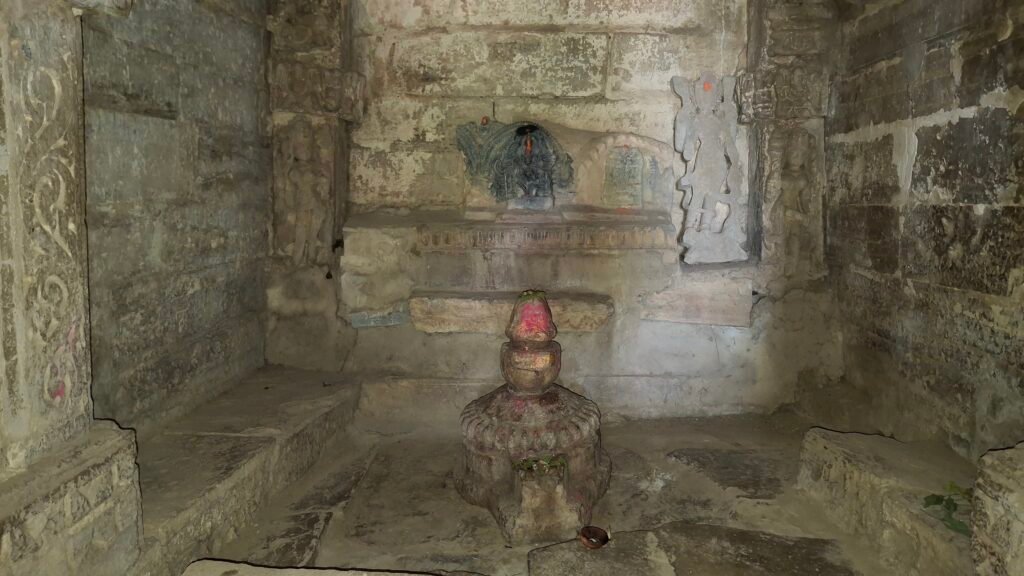
- The Garbhagriha: The innermost sanctuary of the Narayanpur Shiva Temple Balodabazar houses the sacred Shiva Linga. The doorway (dwara) of the sanctum features intricate carvings, including depictions of river goddesses (Ganga and Yamuna), floral motifs, and guardian deities (dwarapalas) intended to protect the sacred precinct.
- Sculptural Artistry: The exterior walls of the Narayanpur Shiva Temple Balodabazar are adorned with sculptural panels showcasing traditional motifs, celestial beings (apsaras), geometric patterns, and miniature temple reliefs (nagarakuta). Although time has eroded some finer details, the surviving carvings reflect the aesthetic mastery of regional artisans
4. Local Lore, Beliefs, and Cultural Significance
Ancient temples in rural India are invariably intertwined with local folklore and deep-seated community traditions, and the Narayanpur Shiva Temple Balodabazar is no exception.
- Spiritual Devotion: Throughout the year, and particularly during auspicious periods like Mahashivaratri and the holy month of Shravana, local villagers and devotees from surrounding districts gather at the Narayanpur Shiva Temple Balodabazar to offer sacred water (jalabhishek), bel leaves, and prayers to Lord Shiva.
- Fascinating Regional Beliefs: Like many ancient shrines steeped in local custom, the Narayanpur Shiva Temple Balodabazar inspires various folk legends and unique community customs. For instance, local lore occasionally cautions visitors regarding specific traditional observances or taboos passed down through generations—such as regional tales where certain family members or siblings traditionally visit or worship under distinct local guidelines, reflecting the deep psychological space the shrine occupies in rural folklore.
- A Community Anchor: Beyond its religious role, the grounds surrounding the Narayanpur Shiva Temple Balodabazar serve as a community space where rural festivals, seasonal celebrations, and village gatherings take place, keeping ancient traditions alive across generations.

5. Exploring the Surrounding Heritage Circuit
A trip to the Narayanpur Shiva Temple Balodabazar opens up a wider treasure trove of ancient heritage sites in the Balodabazar and neighboring districts. If you are planning an extended heritage tour, consider combining your visit with these nearby attractions:
- Sirpur (Mahasamund District): Located a short distance away from the Narayanpur Shiva Temple Balodabazar, Sirpur (ancient Sripura) was a major capital of the Somavamshi kings. It boasts world-famous brick temples (like the Lakshmana Temple), Buddhist monasteries, and Jain shrines.
- Shivrinarayan (Janjgir-Champa District): Famous for its historical confluence of rivers and ancient temples associated with the Ramayana epic (where Mata Shabri is believed to have offered wild berries to Lord Rama).
- Pali Ancient Shiva Temple: Another magnificent specimen of Kalachuri architecture known for its striking stone carvings and symmetrical design, sharing close stylistic affinities with the Narayanpur Shiva Temple Balodabazar.
- Turturia: Renowned for its natural beauty, ancient Buddhist remains, and the legendary ashram of Maharshi Valmiki, believed to be the birthplace of Luv and Kush.
- Giradpuri Dham: A major pilgrimage center globally revered as the holy workplace (karma bhoomi) of Baba Guru Ghasidas, the founder of the Satnami sect.

6. Conservation and Archaeological Importance
Recognized by state and national bodies as an important protected monument, the Narayanpur Shiva Temple Balodabazar highlights the critical need for heritage preservation in Chhattisgarh.
- Challenges of Preservation: Being located close to a major riverbank, the Narayanpur Shiva Temple Balodabazar faces environmental pressures, including moisture seepage, vegetation growth on stone surfaces, and seasonal flood risks.
- The Role of Tourism and Awareness: Promoting responsible cultural tourism to the Narayanpur Shiva Temple Balodabazar is vital. Increased visitor interest encourages local and state administration to invest further in chemical cleaning, structural stabilization, clear signage, and visitor amenities.
7. Practical Guide for Travelers
If you wish to experience the spiritual serenity and architectural grandeur of the Narayanpur Shiva Temple Balodabazar firsthand, here is everything you need to know for a smooth trip:
- Best Time to Visit: The ideal months to visit the Narayanpur Shiva Temple Balodabazar are between October and March, when the weather in Chhattisgarh is cool, pleasant, and highly conducive to outdoor exploration. The monsoon season (July–September) offers lush green surroundings and a roaring Mahanadi River, though riverbanks should be approached with caution.
- How to Reach:
- By Air: The nearest major airport to the Narayanpur Shiva Temple Balodabazar is Swami Vivekananda Airport in Raipur, situated approximately 70-80 kilometers away.
- By Train: The nearest major railway station is located in Raipur or Bhatapara/Balodabazar, from where local taxis, buses, or private vehicles can be hired to reach the Narayanpur Shiva Temple Balodabazar.
- By Road: Excellent road connectivity links Balodabazar and Kasdol to Raipur, Bilaspur, and Mahasamund, making travel to the Narayanpur Shiva Temple Balodabazar convenient for road-trippers.
- Travel Tips:
- Respect local customs and maintain decorum within the premises of the Narayanpur Shiva Temple Balodabazar.
- Carry drinking water, light snacks, and wearing comfortable walking shoes, as the terrain around the riverbank and temple platform is rustic.
- Hire a local guide if possible to fully appreciate the historical nuances and legends associated with the Narayanpur Shiva Temple Balodabazar.
Conclusion
The Narayanpur Shiva Temple Balodabazar is much more than weathered stone and ancient mortar; it is a living bridge connecting contemporary Chhattisgarh to its glorious medieval past. Standing quietly by the timeless currents of the Mahanadi, Lord Shiva here watches over the landscape as he has for over a millennium.
For anyone seeking to step off the beaten tourist path and connect with the authentic architectural and spiritual soul of central India, a pilgrimage to the Narayanpur Shiva Temple Balodabazar is an unmissable, soul-stirring experience. Plan your visit, respect the silence of the centuries encoded in its walls, and let the ancient magic of Dakshin Kosala envelop you.
Really love the graphics and the overall vibe of the games. It’s a perfect way to unwind after work. Big thanks to atom138slot.
[…] Lungs of Chhattisgarh: Why the Battle to Save Hasdeo Arand Matters for All of Us The Timeless Elegance of Narayanpur Shiva Temple: A Jewel of Chhattisgarh’s Ancient Heritage… Unveiling Sirpur: The Lost City of Gold, Temples, and Ancient Harmony The Sacred Pillar of […]
[…] The Divine Story of Mata Sabari: A Symbol of Unconditional Devotion in Ramayana Chhattisgarh Liquor Policy and Market Trends: A Complete Guide The Coal Capital of Chhattisgarh: A Deep Dive into the Korba Coal Mines The Lungs of Chhattisgarh: Why the Battle to Save Hasdeo Arand Matters for All of Us The Timeless Elegance of Narayanpur Shiva Temple: A Jewel of Chhattisgarh’s Ancient Heritage… […]