

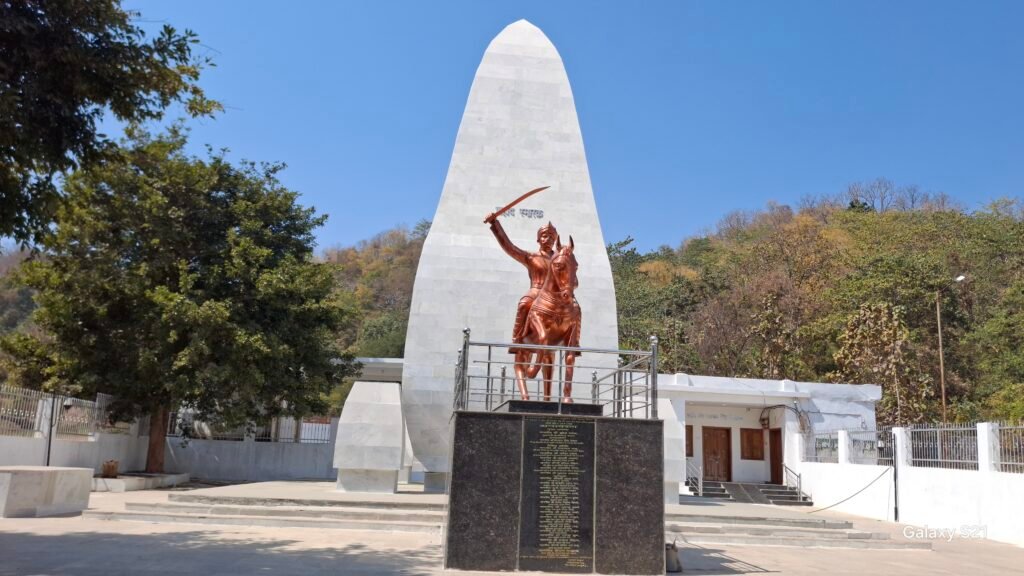
The history of India’s struggle for independence is adorned with the tales of countless brave hearts who sacrificed everything for the motherland. While the stories of Mangal Pandey, Rani Lakshmibai, and Bhagat Singh echo loudly across the nation, there are regional heroes whose contributions were equally monumental but often remain underrepresented in mainstream historical narratives. One such towering figure is Shaheed Veer Narayan Singh, the fierce and compassionate Zamindar of Sonakhan, who is revered as the first martyr of Chhattisgarh in the First War of Indian Independence in 1857.
This post explores the extraordinary life, selfless deeds, and ultimate sacrifice of a man who stood not only against the tyranny of the British Empire but also against the cruelty of systemic oppression during times of crisis.
Early Life and Noble Lineage
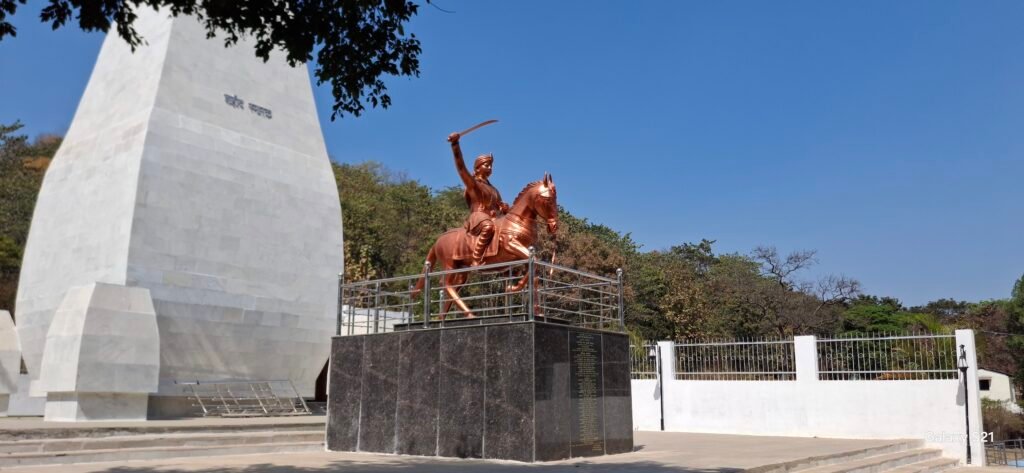
Veer Narayan Singh was born in 1795 into the royal Gond tribal family of Sonakhan, a dense and hilly estate located in the present-day Baloda Bazar district of Chhattisgarh. His ancestors belonged to the Binjhwar tribe, a proud community known for their bravery, deep connection to the forest, and fierce independence.
His great-grandfather, Deewan Ramrai, had led a rebellion against the Maratha rulers in the late 18th century, proving that resistance against injustice was in Narayan Singh’s blood. When Narayan Singh took over as the Zamindar (landlord) of Sonakhan in his mid-thirties, he quickly earned the love and immense respect of his people. Unlike many other landlords of his era who exploited the peasantry, Veer Narayan Singh was a just, empathetic, and progressive leader. He treated his subjects like family, always prioritizing their welfare over his own treasury.
The Great Famine of 1856: A Test of Leadership
The true measure of Veer Narayan Singh’s character was tested long before the mutiny of 1857. In 1856, a devastating drought struck the region of Chhattisgarh, leading to a severe famine. Crops failed, water bodies dried up, and the marginalized tribal and peasant populations were pushed to the brink of starvation.
Distressed by the suffering of his people, Veer Narayan Singh approached the British authorities and wealthy local merchants, pleading with them to open their grain reserves and save the dying populace. However, his appeals fell on deaf ears. The colonial administrators were apathetic, and the merchants, driven by greed, chose to hoard the grain to sell it at exorbitant prices later.
Unable to watch his people starve, the Zamindar took matters into his own hands. In a bold and decisive move, he broke open the godowns of a wealthy hoarder named Makhan Baniya in Kasdol. He did not loot the grain for personal wealth; instead, he meticulously distributed the entire stock among the starving villagers, keeping a strict account of what was taken and promising to repay the merchant once the harvest improved.
Arrest and the Spark of Rebellion
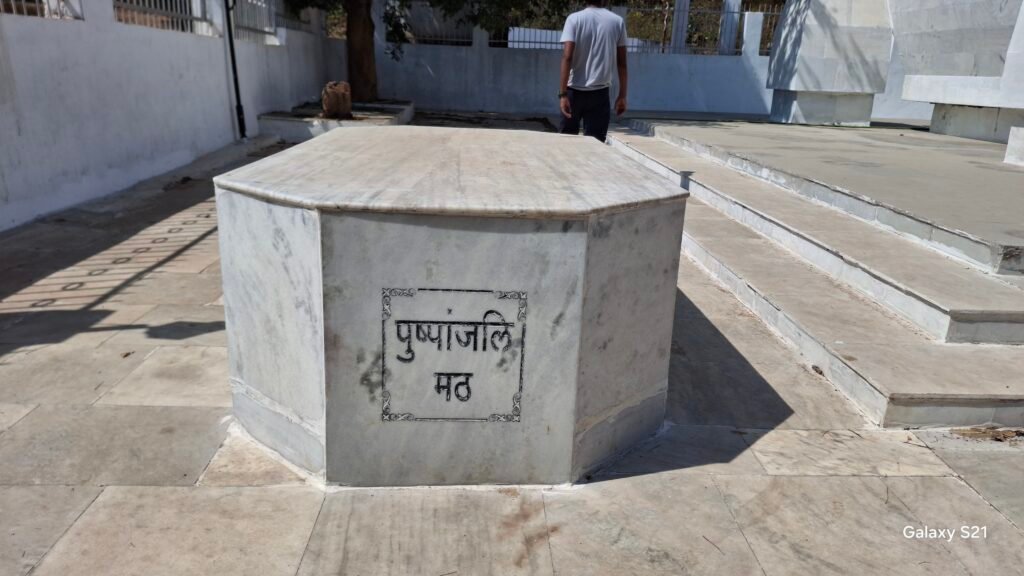
While the people hailed him as a savior and a local Robin Hood, the British authorities and the wealthy merchants viewed his actions as an act of brazen dacoity and defiance against the law. On the complaint of the merchant, the British Deputy Commissioner of Raipur, Charles Elliot, ordered his arrest. In October 1856, Veer Narayan Singh was captured and imprisoned in the Raipur jail.
However, destiny had a larger role for him to play. While he was languishing in prison, the flames of the 1857 Sepoy Mutiny erupted across the country. The rebellion in Meerut, Delhi, and Kanpur sent ripples all the way to central India. The local soldiers deployed in the British army at Raipur grew restless, and the tribal population of Sonakhan was seething with anger over the unjust imprisonment of their beloved leader.
The Daring Escape and the Uprising
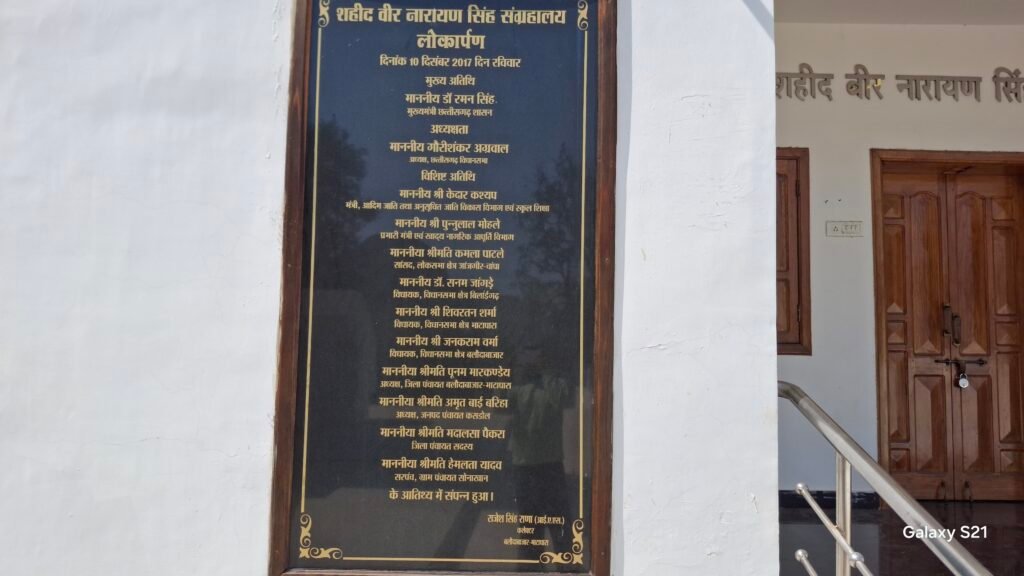
In August 1857, aided by a sympathetic faction of soldiers in the Raipur regiment and his loyal followers, Veer Narayan Singh managed a daring escape from the Raipur prison. He secretly made his way back to his stronghold in the dense forests of Sonakhan.
His return electrified the region. Realizing that a full-scale confrontation with the British was inevitable, he immediately began raising a local militia. Within a short period, he organized an army of around 500 tribal warriors, armed with traditional weapons like bows, arrows, swords, and axes, as well as whatever muskets they could procure.
The British, alarmed by his escape and the growing rebellion, dispatched a heavy military force led by Lieutenant Smith to crush the uprising. What followed was a fierce guerrilla war in the treacherous terrains of the Sonakhan forests.
The Battle of Sonakhan

Veer Narayan Singh’s forces utilized their intimate knowledge of the local geography to their advantage. They launched surprise attacks, disrupted British supply lines, and inflicted heavy casualties on the colonial troops. For days, the poorly equipped but highly motivated tribal army held the mighty British forces at bay.
Frustrated by their inability to defeat him in direct combat, the British resorted to their classic policy of “Divide and Rule.” Lieutenant Smith reached out to the neighboring Zamindars of Deori, Bhatgaon, and Katangi—who harbored personal rivalries with Veer Narayan Singh—offering them rewards and British protection in exchange for their assistance.
Betrayal, Capture, and Martyrdom
Tragically, Veer Narayan Singh was betrayed by his own countrymen. The treacherous Zamindar of Deori, who was Narayan Singh’s uncle, provided the British with crucial intelligence about his hideouts and movements. Combining forces with the local traitors, the British launched a massive encirclement of Sonakhan. They set the village of Sonakhan on fire, burning it to the ground to flush out the rebels.
To save his people from total massacre and further destruction, Veer Narayan Singh made the ultimate sacrifice. He surrendered to the British forces in early December 1857.
He was brought back to Raipur, heavily chained, and subjected to a hasty, farcical trial. Charged with treason and rebellion against the British Crown, he was sentenced to death. On December 10, 1857, at the Jaistambh Chowk (Victory Pillar Square) in Raipur, Shaheed Veer Narayan Singh was publicly hanged. The British executed him in the open to strike fear into the hearts of the locals, but instead, they immortalized him.
A Legacy Etched in Time

The martyrdom of Shaheed Veer Narayan Singh did not extinguish the fire of freedom; it stoked it. His sacrifice inspired a wave of localized uprisings in Chhattisgarh, notably the rebellion led by Hanuman Singh, a Rajput soldier who assassinated a British officer in Raipur shortly after Narayan Singh’s execution.
For decades, the British tried to erase his name from history, painting him as a mere thief and rebel. But in the oral traditions, folk songs, and hearts of the Chhattisgarhi people, he lived on as a divine hero. It was only after India gained independence in 1947 that his contributions were formally recognized by the state.
Modern Recognition
Today, Shaheed Veer Narayan Singh’s legacy is celebrated with immense pride in Chhattisgarh and across India:
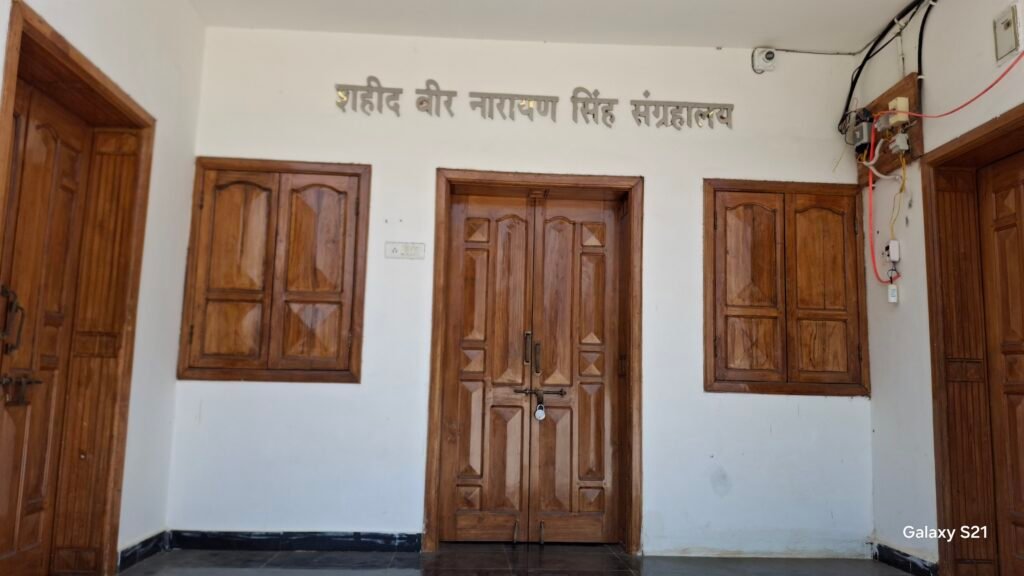
- Monuments and Memorials: The Jaistambh Chowk in Raipur, the site of his execution, stands as a solemn memorial to his sacrifice.
- Sporting Arenas: The international cricket stadium in Naya Raipur, one of the largest in India, is proudly named the Shaheed Veer Narayan Singh International Cricket Stadium.
- State Honors: The Government of Chhattisgarh has instituted the “Shaheed Veer Narayan Singh Samman,” a prestigious state award given to individuals and organizations for outstanding contributions to the upliftment of marginalized and tribal communities.
- Cultural Integration: His life is a vital part of the state’s educational curriculum, ensuring that future generations understand the price paid for their freedom.
Conclusion
Shaheed Veer Narayan Singh was much more than a rebel; he was a humanitarian first. His journey from a compassionate Zamindar who looted grain to feed the starving, to a fierce warrior who challenged the mightiest empire in the world, is a testament to the indomitable human spirit.
He embodied the true essence of leadership—standing by his people in their darkest hour, regardless of the personal cost. As we celebrate India’s rich history of independence, the story of Chhattisgarh’s first martyr serves as a powerful reminder that true heroism is found in the courage to fight for justice, equality, and the basic right to live with dignity. His roar of rebellion in the forests of Sonakhan will forever echo in the annals of Indian history.
[…] the Divine: A Complete Guide to Lingeshwar Mandir Janjgir Nawagarh The Legacy of Shaheed Veer Narayan Singh: Chhattisgarh’s First Martyr of 1857 Damakheda Chhattisgarh: The Ultimate Spiritual Guide to the Kabirpanthi Pilgrimage Explore […]