

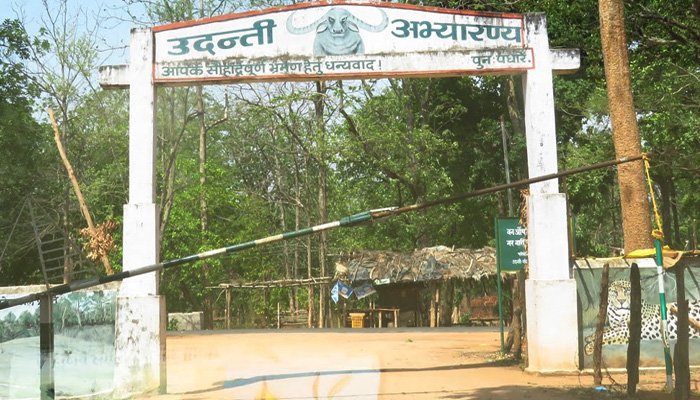
Nestled in the lush, green heart of Chhattisgarh, India, lies the breathtaking Udanti Sitanadi Wildlife Sanctuary, a pristine wilderness waiting to be explored. Far away from the bustling city noise, this protected forest offers an unparalleled retreat into nature. Whether you are an avid birdwatcher, a wildlife photography enthusiast, or someone seeking the serene quiet of ancient forests and cascading waterfalls, this region promises an unforgettable adventure.
Combined to form a massive tiger reserve, the dual zones of the Udanti Sitanadi Wildlife Sanctuary boast rare wildlife, majestic rivers, and breathtaking landscapes. If you are planning a trip to central India, here is everything you need to know about navigating the captivating Udanti Sitanadi Wildlife Sanctuary.
Discovering the Udanti Zone of the Udanti Sitanadi Wildlife Sanctuary
Established in 1984 and spread across 237.28 square kilometers, the Udanti section of the Udanti Sitanadi Wildlife Sanctuary is a remarkable haven situated along the Raipur-Deobhog highway. Named after the Udanti River that flows through it from west to east, this area is characterized by a striking landscape of rolling hills interspersed with vast, expansive plains.
Flora and Terrain
The undulating hills of Udanti are blanketed with dense forests. As you traverse the vast plains, you will encounter a rich diversity of tree species, including Teak (Saja, Bija), Sal (Sarai), Haldu, Dhaora, Amla, and Amaltas. The forest floor is a vibrant mix of grasses, shrubs, and medicinal plants.
Wildlife Wonders
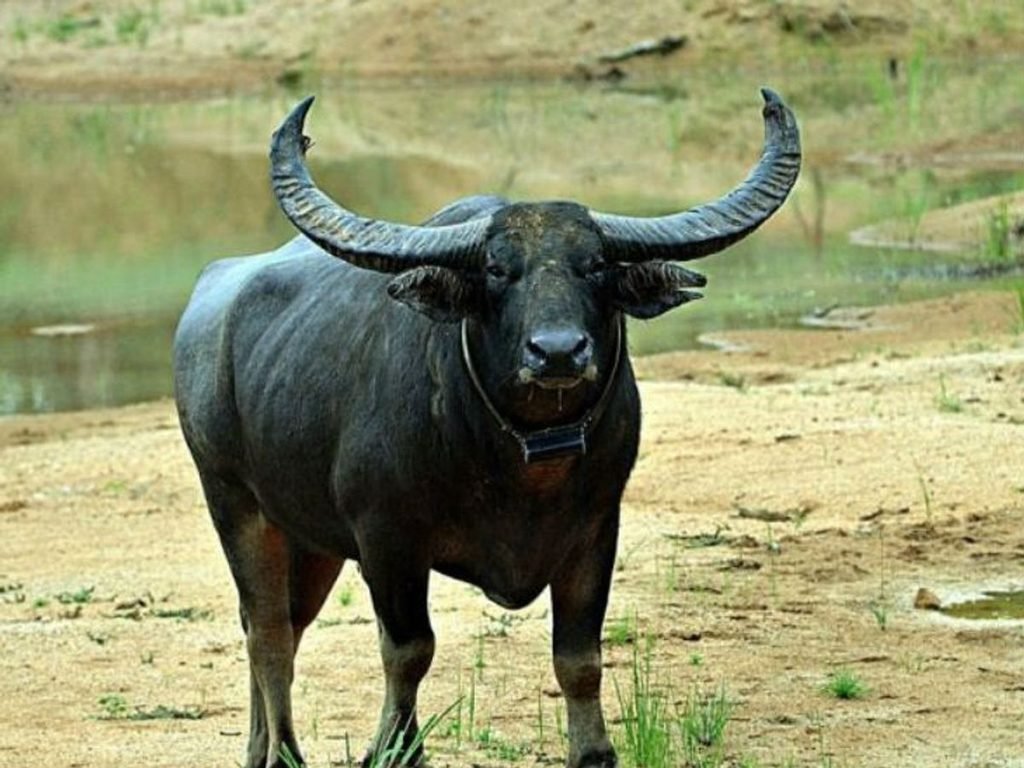
This portion of the Udanti Sitanadi Wildlife Sanctuary was primarily established to protect rare and endangered species, most notably the majestic Wild Water Buffalo (Bubalus bubalis). It is one of the few rugged terrains where you can witness the massive Wild Buffalo and the Indian Bison (Gaur) grazing together in their natural habitat. The sanctuary is also home to a thriving population of Chital (Spotted Deer), Sambar, Nilgai, Wild Boar, and Jackals.
The Avian Paradise
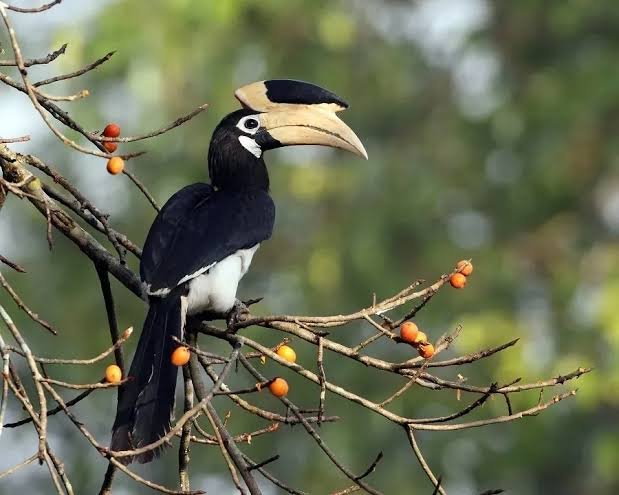
For bird lovers, the Udanti Sitanadi Wildlife Sanctuary is nothing short of spectacular. The Udanti zone alone hosts over 120 species of birds, including a variety of migratory visitors. Keep your binoculars ready for Jungle Fowls, Pheasants, Bulbuls, Drongos, and Woodpeckers fluttering through the canopy.
Exploring the Sitanadi Zone of the Udanti Sitanadi Wildlife Sanctuary
A decade older than Udanti, the Sitanadi section of the Udanti Sitanadi Wildlife Sanctuary was established in 1974 and covers a massive expanse of 553.36 square kilometers. Named after the Sitanadi River that flows gracefully from north to south, this zone features a rugged terrain heavily forested with some of the finest Sal trees in the country.
A Botanical Masterpiece
Sitanadi’s landscape is an intricate tapestry of lush vegetation. Alongside the towering, straight-trunked Teak and Sal trees, the forest is rich with dense, striking bamboo groves that create a mystical atmosphere deep within the woods.
Wildlife and the Elusive Flying Squirrel
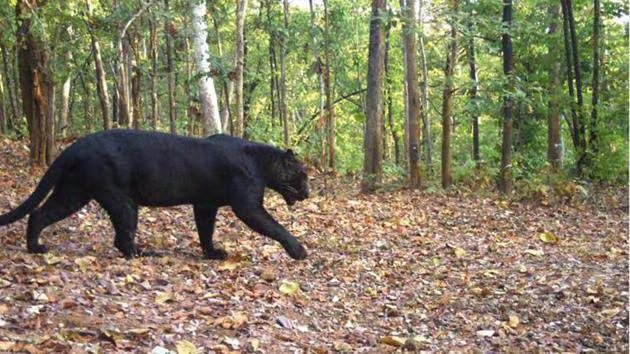
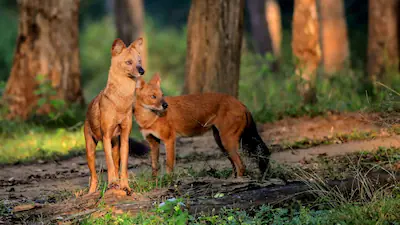
Sitanadi shares much of its larger fauna with the rest of the Udanti Sitanadi Wildlife Sanctuary, including Leopards, Sloth Bears, Wild Dogs, and Gaur. However, it holds a special secret: the endangered Flying Squirrel. Catching a glimpse of this nocturnal marvel gliding between the tall Sal trees is an experience of a lifetime. The avian diversity here is even richer, with over 175 bird species recorded.
7 Stunning Reasons to Visit the Sanctuary
1. Spot the Endangered Wild Buffalo The Udanti Sitanadi Wildlife Sanctuary is one of the last remaining strongholds for the pure-breed Indian Wild Buffalo. Seeing these massive creatures in the wild is a rare privilege.
2. Relax at the Godena Waterfall Located about 8 kilometers from Karlajhar village, reaching Godena Fall requires an 800-meter trek through dense forests. The water cascades down 250 meters over colorful, sloping rocks, making it a highly secluded, picturesque picnic spot.
3. Marvel at the Devdhara Waterfall Situated 17 kilometers from Taurenga, Devdhara is accessible via a 1.5-kilometer forest trek. The sheer geological formation makes it look as though the massive rocks are suspended in the sky above a deep, serene water body.
4. Unwind at the Sikaser Reservoir Located on the Pairi River, this reservoir is a visual treat featuring beautiful temples. Downstream, the water flows over natural sloping rocks for nearly 700 meters, creating gorgeous natural swimming pools among the boulders.
5. Explore the Sondur Dam and River Ecosystem The immense Sondur Dam holds a vast reservoir of water. The resulting ecological shifts from the reservoir have given rise to new micro-habitats, enhancing the biodiversity of the Udanti Sitanadi Wildlife Sanctuary.
6. Discover Ancient Spiritual Ashrams The sanctuary area is dotted with the ancient ashrams of revered sages, including Agastya Rishi, Angira Rishi, and Shringi Rishi. These serene spiritual sites offer a deep sense of peace amidst the wild.
7. Experience Unmatched Birdwatching Across the Udanti Sitanadi Wildlife Sanctuary, nearly 300 bird species flock to the trees and reservoirs, making it a premium destination for ornithologists and wildlife photographers.
2 Mistakes to Avoid on Your Trip
1. Planning a Visit During the Monsoon (July to October) The Udanti Sitanadi Wildlife Sanctuary is officially open to visitors only from November 1st to June 30th. Planning a trip during the monsoon months will lead to disappointment, as the parks are closed for safety and breeding season.
2. Arriving Without Prior Bookings Accommodation inside and near the sanctuary is limited to Forest Rest Houses. Arriving without prior reservations often means you will not find a place to stay.
Essential Travel Guide
Best Time to Visit
The ideal window for exploring the Udanti Sitanadi Wildlife Sanctuary is between November and March, when the weather is cool and pleasant. For the best wildlife sightings near waterholes, April and May are highly recommended.
How to Reach
By Air: The nearest major airport is Swami Vivekananda Airport in Raipur (175 km away).
By Rail: Raipur Junction, situated on the main Howrah-Mumbai rail route, is the closest major railway station.
By Road: The Udanti Sitanadi Wildlife Sanctuary is easily accessible by road. Tourists can rent cars or jeeps from Raipur, Gariaband, Dhamtari, Kanker, or Mainpur.
Accommodation Options
You can book Forest Rest Houses in Taurenga, Mainpur, Karlajhar, Jugad, Sitanadi, Khallari, and Nagri.
Reservation Contacts
- For Udanti: Forest Divisional Officer, Gariaband or Superintendent of Udanti, Mainpur.
- For Sitanadi: Forest Divisional Officer, Dhamtari or Superintendent of Sitanadi.
Immersing yourself in the raw, unfiltered beauty of the Udanti Sitanadi Wildlife Sanctuary is a journey into the very soul of wild India. Plan carefully, secure your bookings, and get ready to step into a breathtaking natural sanctuary.
[…] Stunning Prehistoric Rock Art in Chhattisgarh Sites You Shouldn’t Miss 7 Stunning Reasons to Explore Udanti Sitanadi Wildlife Sanctuary (And 2 Mistakes to Avoid) Discovering the Divine: A Complete Guide to Lingeshwar Mandir Janjgir Nawagarh The Legacy of […]