

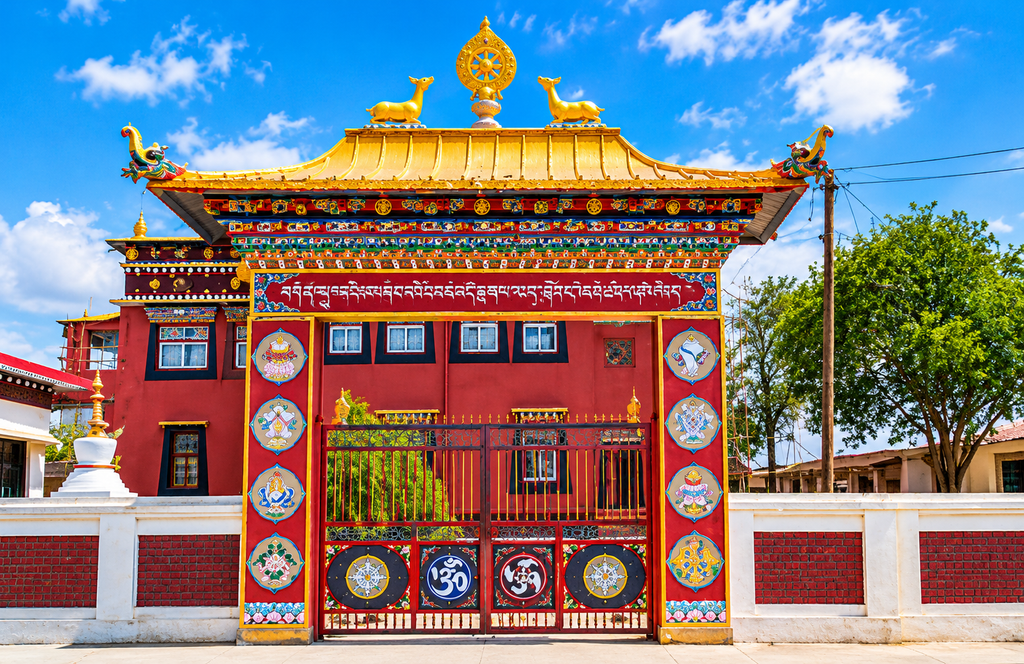
Nestled amidst the lush green hills, rolling misty valleys, and cascading waterfalls of the Surguja district in Chhattisgarh lies Mainpat, a hill station famously celebrated as the ‘Shimla of Chhattisgarh’ or ‘Mini Tibet’. Whenever travelers set foot in the tranquil environment of Mainpat, the crisp mountain air, serene atmosphere, and breathtaking landscapes instantly captivate their souls.
However, amidst this stunning natural beauty, what gives Mainpat a profound spiritual identity is its magnificent Buddha Temple. This sanctuary is far more than just a religious landmark; it stands as a living testament to the resilience, unwavering faith, and rich cultural heritage of Tibetan refugees, blending harmoniously with India’s ethos of religious tolerance and pluralism. In this comprehensive blog post, we will take an in-depth journey through the history, architecture, spiritual lifestyle, and surrounding attractions of the iconic Mainpat Buddha Temple.
1. The Historical Roots: The Tibetan Connection of Mainpat
The deep connection between Mainpat, Buddhism, and Tibetan culture dates back to the early 1960s. In 1959, following intense political upheaval in Tibet and the subsequent crackdown by Chinese forces, His Holiness the 14th Dalai Lama sought political asylum in India. Recognizing the humanitarian crisis, the Government of India allocated land across various peaceful regions of the country to resettle Tibetan refugees.
During 1962–1963, the central government and the undivided Madhya Pradesh state government (as Chhattisgarh was then a part of MP) selected the high-altitude, secluded, and sparsely populated plateau of Mainpat for the rehabilitation of Tibetan refugees. Around 3,000 to 4,000 Tibetan refugees were resettled here. They were provided agricultural land to sustain themselves, and temporary camps—later famously known as ‘Kotki Dol’ and numbered camps—were established.
The refugees transformed this rugged, barren wilderness into fertile agricultural fields through sheer grit and hard work, laying the foundation of a vibrant Tibetan community. To preserve their spiritual identity, ancient traditions, and message of peace, they constructed prayer halls and monasteries. Over time, this pristine pocket earned the moniker of ‘Mini Tibet’, paving the way for the establishment of the grand Mainpat Buddha Temple.
2. Architectural Splendor and Grandeur of the Buddha Temple
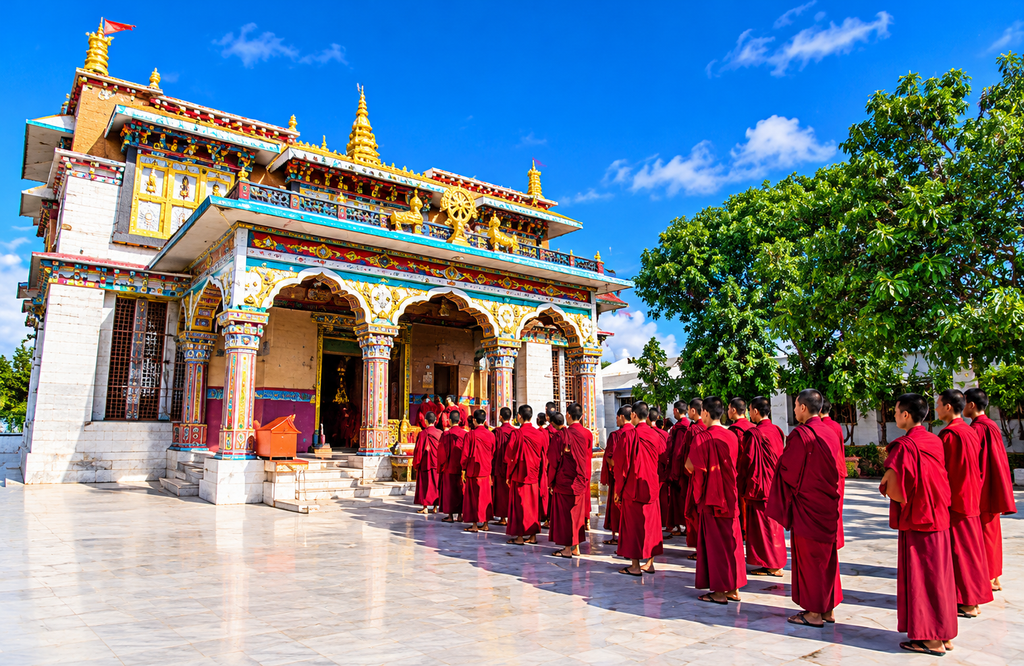
The Mainpat Buddha Temple is a masterpiece of traditional Tibetan architecture, immediately grabbing the attention of visitors with its vibrant colors, intricate design, and peaceful aura. As one steps inside the temple complex, an overwhelming sense of calm and positive energy washes over the mind.
- The Sacred Main Idol: At the sanctum sanctorum of the temple rests a colossal and majestic statue of Lord Buddha. Seated in a profound meditative posture (Dhyana Mudra), the statue radiates an unmatched sense of inner peace and serenity. The compassionate and tranquil expression on Buddha’s face naturally draws devotees and travelers into deep contemplation.
- Vibrant Colors and Sacred Art: A hallmark of Tibetan architecture is its bold, vibrant color palette. The temple walls, pillars, and ceilings are adorned with traditional hues—predominantly gold, deep red, royal blue, and bright yellow. Intricate murals and paintings depict sacred Buddhist symbols, historical Jataka tales, and spiritual motifs, painted with exceptional precision.
- The Prayer Wheels (Mani Wheels): Lining the temple’s circumambulatory paths (kora) are cylindrical Tibetan prayer wheels, known as Mani Wheels. According to Buddhist tradition, spinning these sacred wheels with pure intention accumulates good karma and helps dispel negative energies. Visitors of all faiths find deep joy in gently rotating these wheels as they walk around the shrine.
- The Fluttering Prayer Flags: Surrounding the temple complex are vibrant strings of multicolored Buddhist prayer flags fluttering gracefully in the mountain wind. Believers hold that when the wind blows across these sacred inscriptions, the mantras are carried into the atmosphere, bestowing blessings, peace, and good health upon all living creatures.
3. A Glimpse into Tibetan Culture and Daily Life
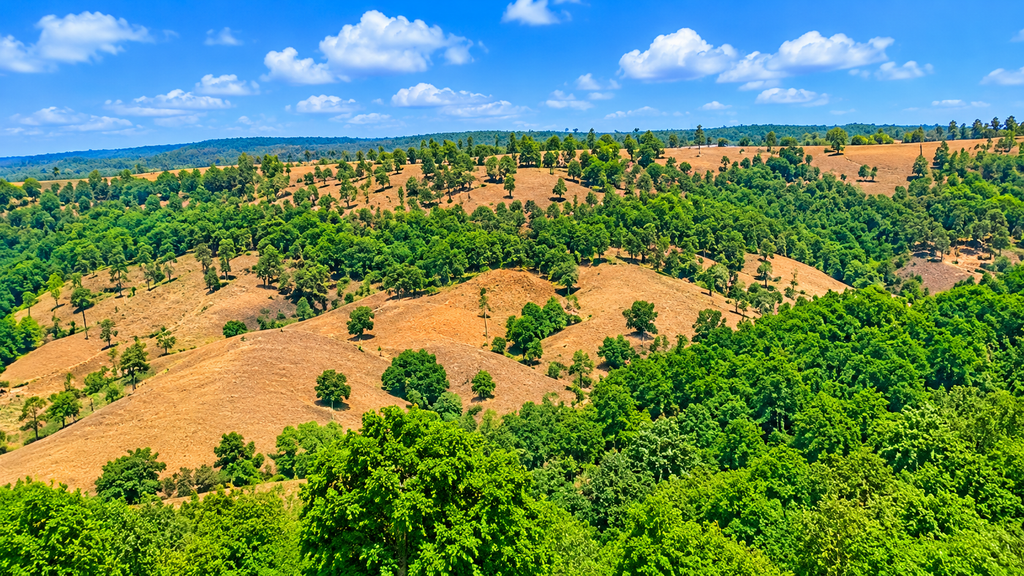
The Mainpat Buddha Temple is not just an architectural marvel; it serves as the beating cultural heart of the local Tibetan community. Exploring the vicinity offers a unique window into an authentic lifestyle preserved high in the Indian mountains.
- Monastic Chants and Rituals: Resident monks perform regular morning and evening prayers (puja and chants). The deep resonance of traditional gongs, sacred horns, and synchronized chanting transforms the mountain air into a deeply spiritual soundscape.
- Authentic Handicrafts and Cuisine: Around the temple precincts, local Tibetan families run small cooperative shops offering exquisite handmade woolen carpets, traditional winter garments, authentic Tibetan handicrafts, and unique souvenirs. Furthermore, travelers can savor authentic Tibetan culinary delights like steaming bowls of Thukpa, savory Momos (dumplings), and traditional butter tea, which provide incredible warmth during chilly Mainpat winters.
4. Exploring Beyond the Temple: Other Wonders of Mainpat
If you are planning a visit to the Mainpat Buddha Temple, your itinerary would be incomplete without exploring the surrounding natural wonders that make this hill station legendary:
- Tiger Point Waterfall: A breathtaking waterfall plunging into a deep, dense gorge surrounded by lush foliage. Historically, the area was a habitat for wild tigers, giving the spot its striking name.
- Ulta Pani (Mehta Point): One of Mainpat’s most fascinating natural anomalies. Here, if you park your vehicle in neutral gear on the designated spot, instead of rolling down the slope, the car appears to pull itself upward against gravity—baffling physicists and visitors alike.
- Fish Point: A peaceful, scenic spot featuring trickling streams and rocky formations, ideal for quiet picnics and nature photography.
- Jaljali: A unique bouncing meadow where stepping or jumping causes the soil and turf to spring back like a giant natural sponge or mattress, thrilling children and adults alike.
5. How to Reach Mainpat and Best Time to Visit
Mainpat is primarily accessible via well-maintained road networks:
- Nearest Railway Station: Ambikapur Railway Station is located approximately 50 to 55 kilometers away from Mainpat, connecting the region to major cities in Chhattisgarh and neighboring states.
- Nearest Airport: Swami Vivekananda Airport in Raipur serves as the primary major airport, from where travelers can take a scenic road trip via Bilaspur or Ambikapur. Ranchi Airport (Jharkhand) is also reasonably close.
- By Road: Regular buses, taxies, and private cabs are readily available from Ambikapur, Surguja, and other major districts of Chhattisgarh. The winding mountain roads offer a thrilling drive filled with panoramic valley views.
Best Time to Visit
The ideal time to explore Mainpat is between October and March. During these winter months, temperatures drop significantly, and the landscape is often draped in magical morning fog and cool breezes, making it resemble a Himalayan alpine retreat. For nature lovers who adore lush greenery, the monsoon season (July to September) offers unmatched vibrancy.
Conclusion
The Mainpat Buddha Temple transcends its status as a mere tourist attraction; it is a precious page in the modern cultural history of Chhattisgarh. It stands as a shining example of how diverse communities can preserve their distinct identity while cultivating a life rooted in peace, harmony, and mutual respect. Whether you are seeking spiritual solace, a deep dive into history, or an escape into pristine nature, a journey to the Mainpat Buddha Temple will etch itself permanently into your memory.
If you found this guide helpful, be sure to share it with your friends and family, and make sure to include Mainpat in your upcoming travel itinerary!